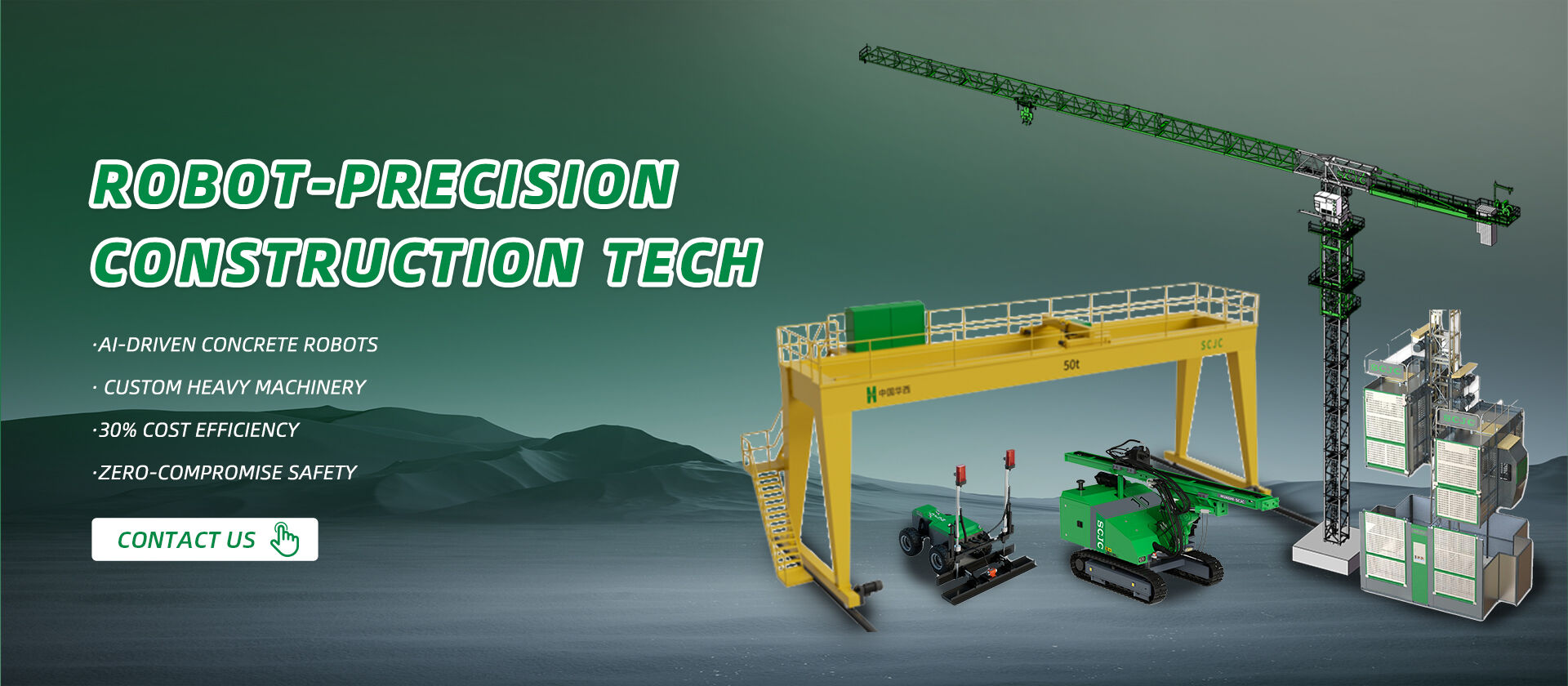
The Significance of Flat Top Tower Cranes in Modern Construction
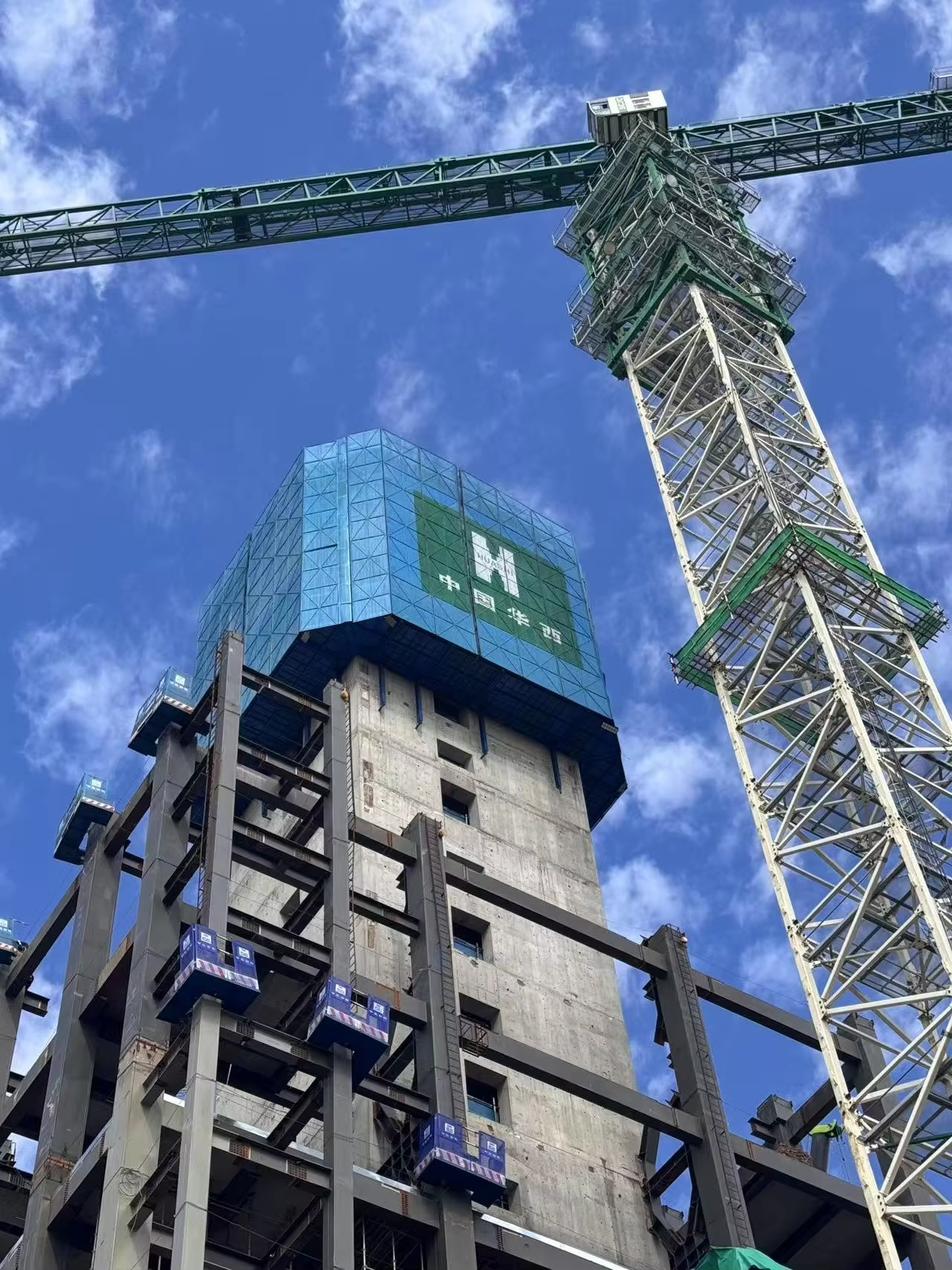
Flat top tower cranes play a pivotal role in contemporary construction projects, serving as indispensable assets for builders tackling high-rise developments, urban infrastructure, and large-scale industrial ventures. Their distinctive structural design and operational efficiency have established them as the preferred lifting solution among construction professionals worldwide. These cranes address the complex challenges of modern construction through a combination of space optimization, lifting capability, and operational reliability that few other crane types can match.
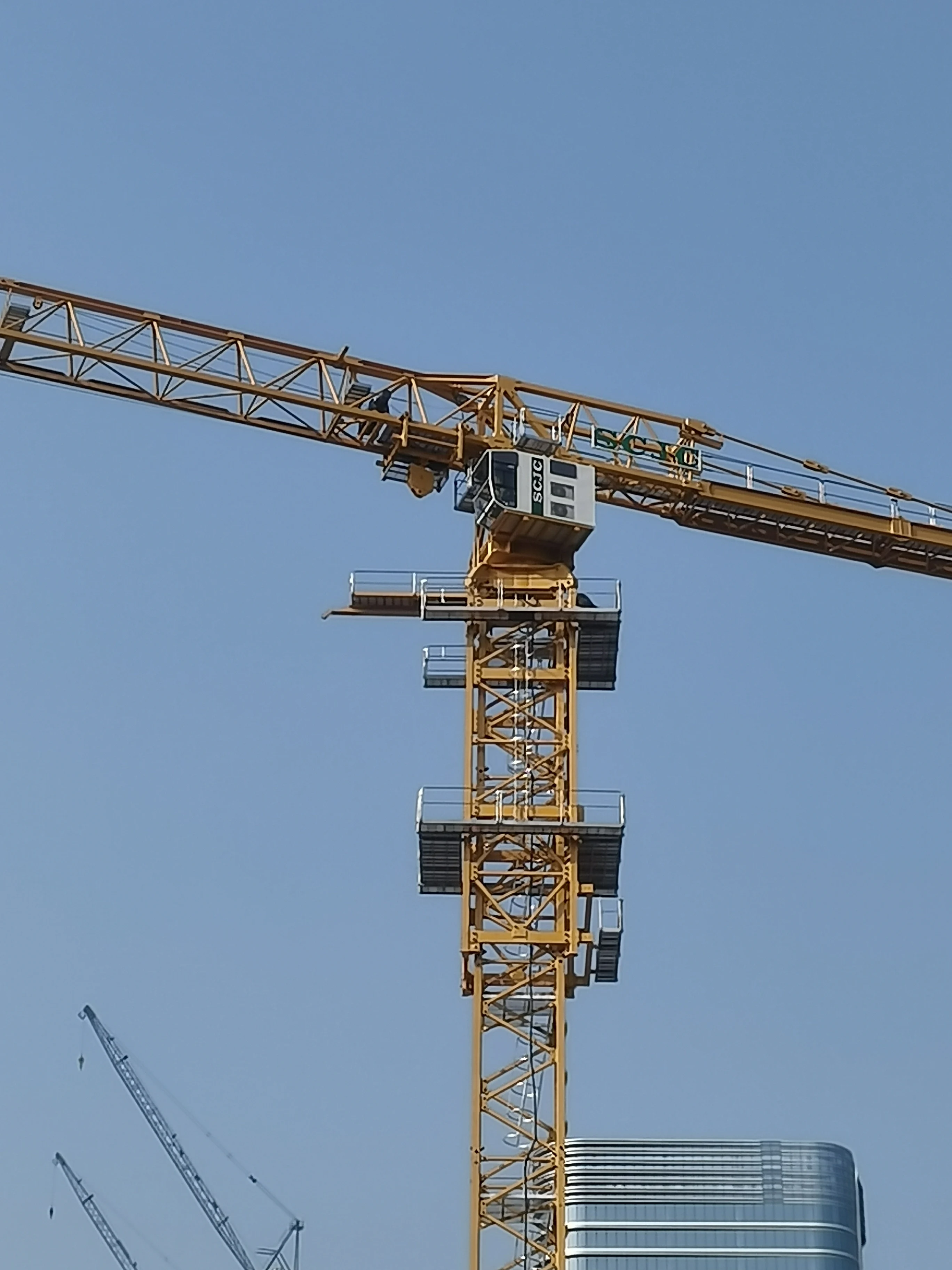
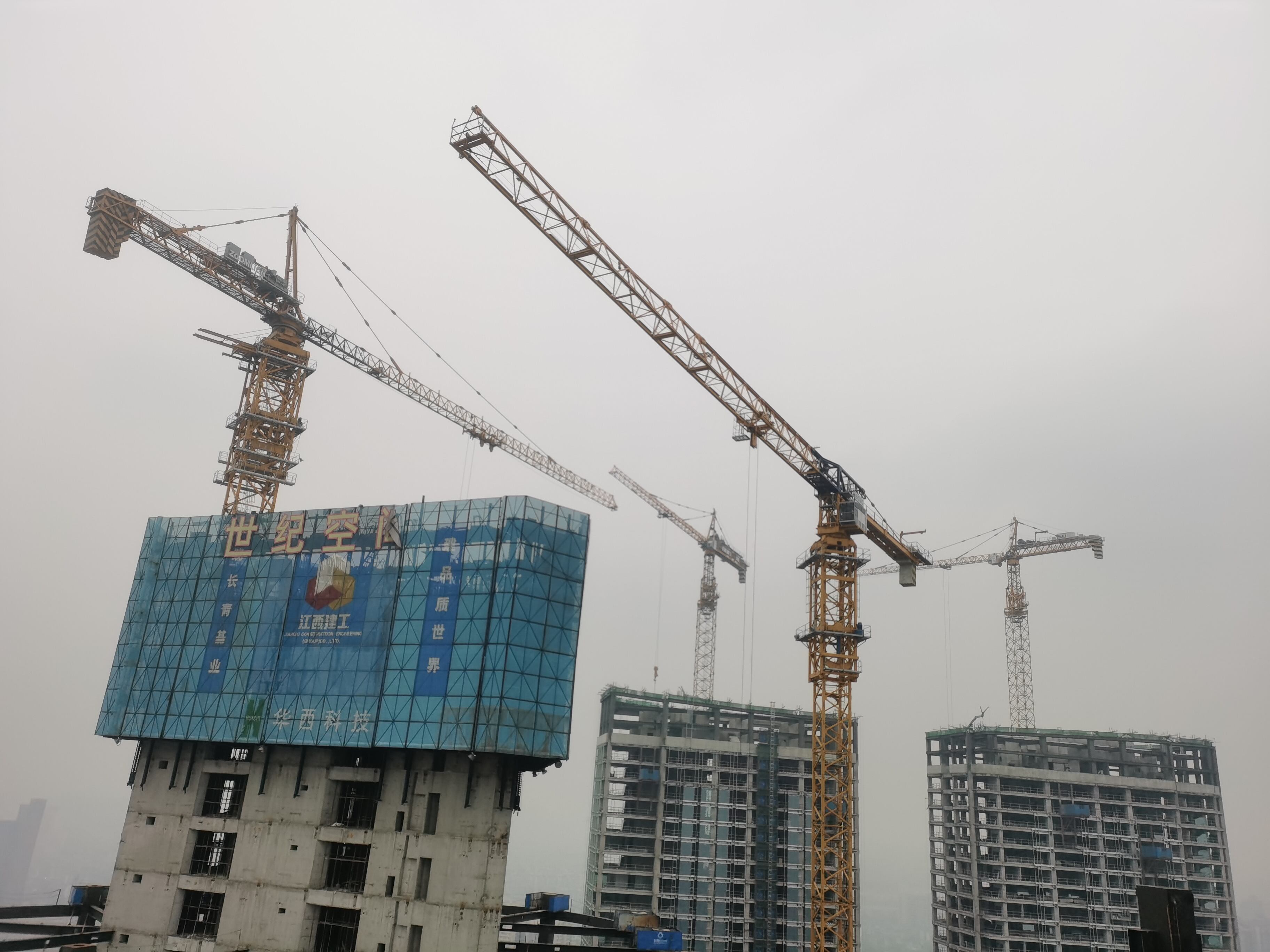
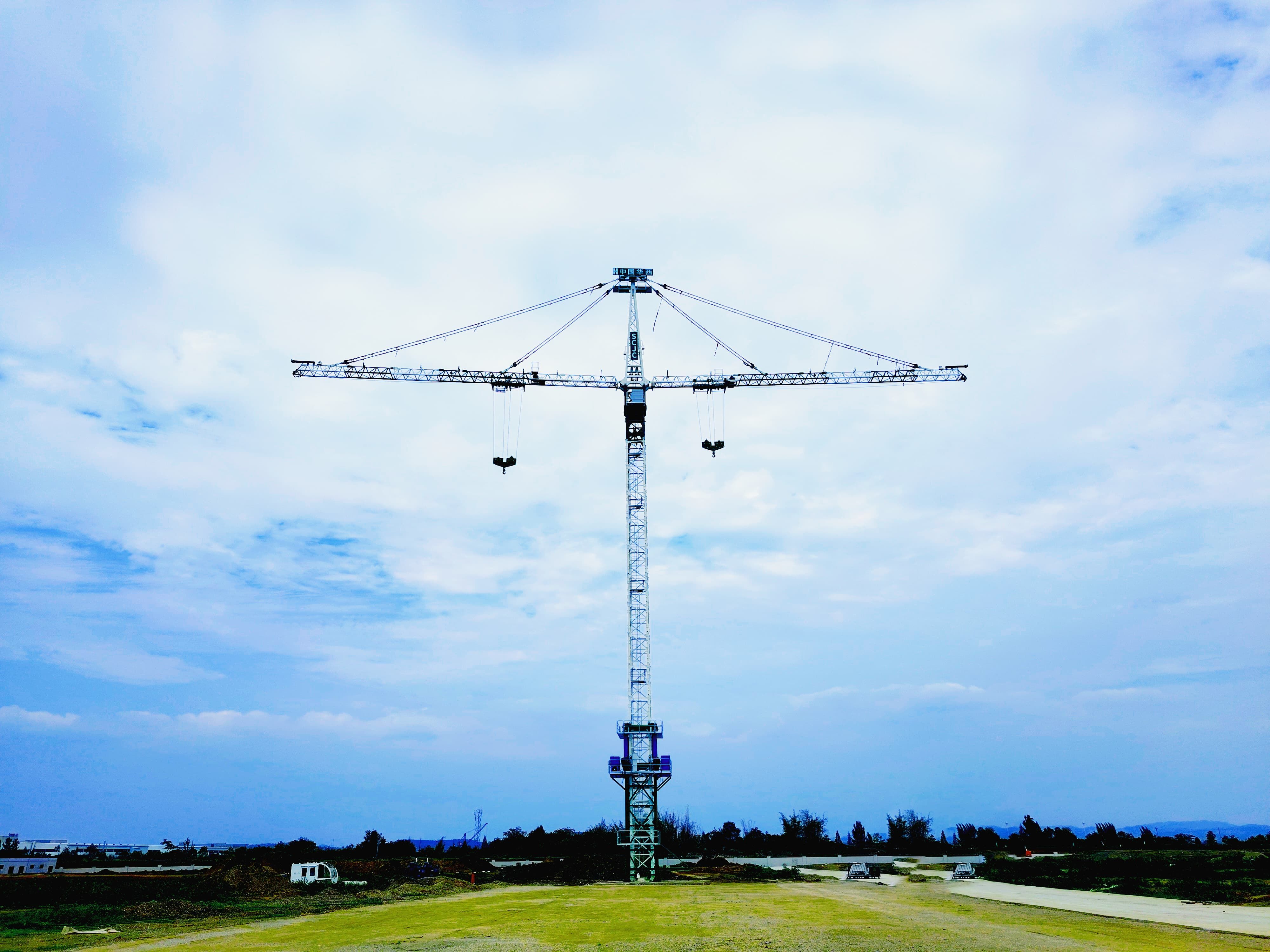
The compact design of flat top tower cranes delivers exceptional value in densely populated urban environments where construction space is at a premium. Unlike alternative crane configurations, these machines feature a straight horizontal jib without a trolley mechanism, enabling optimal positioning in constrained construction sites. This design characteristic allows multiple flat top cranes to operate in close proximity on high-rise projects without jib interference, creating significant advantages for skyscraper developments where space efficiency is paramount. The ability to stack these cranes strategically represents a game-changing feature for vertical construction projects, where optimizing limited ground space while maintaining lifting capacity is crucial.
Performance capabilities further distinguish flat top tower cranes as superior lifting solutions. These machines demonstrate remarkable strength in handling substantial loads, with many models capable of lifting 20 tons or more to impressive heights. The simplified jib structure contributes to both operational efficiency and mechanical reliability, reducing the complexity that often leads to maintenance challenges in other crane types. This straightforward design translates to faster setup procedures, reduced maintenance requirements, and more dependable performance throughout project timelines. Contractors benefit from reduced downtime and more predictable lifting operations, which are critical factors in maintaining construction schedules and budgets.
Economic advantages constitute another significant aspect of flat top tower cranes' value proposition. The reduced mechanical complexity of these cranes results in lower operational costs compared to alternative lifting solutions. Fewer moving components translate directly to decreased maintenance frequency and lower servicing expenses, while the streamlined design often contributes to improved energy efficiency. Setup advantages further enhance their cost-effectiveness, with many models featuring modular components that facilitate quicker assembly and reduced on-site labor requirements. These economic benefits accumulate significantly over the course of large construction projects, contributing to overall project cost savings.
The versatility of flat top tower cranes extends across a broad spectrum of construction applications. In vertical construction, these cranes serve as essential tools for skyscrapers, residential towers, and commercial complexes where precise vertical and horizontal lifting capabilities are mandatory. Infrastructure projects similarly benefit from their stability and reach, with applications ranging from bridge construction and dam projects to highway overpasses. Industrial facilities, including factories, power stations, and logistics centers, rely on these cranes for the safe movement of heavy equipment and materials. This cross-sector applicability demonstrates the adaptability of flat top tower cranes to diverse construction environments and project requirements.
Safety and stability represent critical considerations in crane selection, areas where flat top tower cranes deliver exceptional performance. The low center of gravity inherent in their design contributes to remarkable stability, even when handling maximum load capacities at extreme heights. The aerodynamic advantages of the flat jib configuration minimize wind resistance, a crucial factor in maintaining operational safety during windy conditions common in urban construction environments. These safety characteristics provide valuable peace of mind for project managers and construction teams working at height under various weather conditions.
 EN
EN