The Core Value and Industry Significance of Flat-Top Tower Cranes
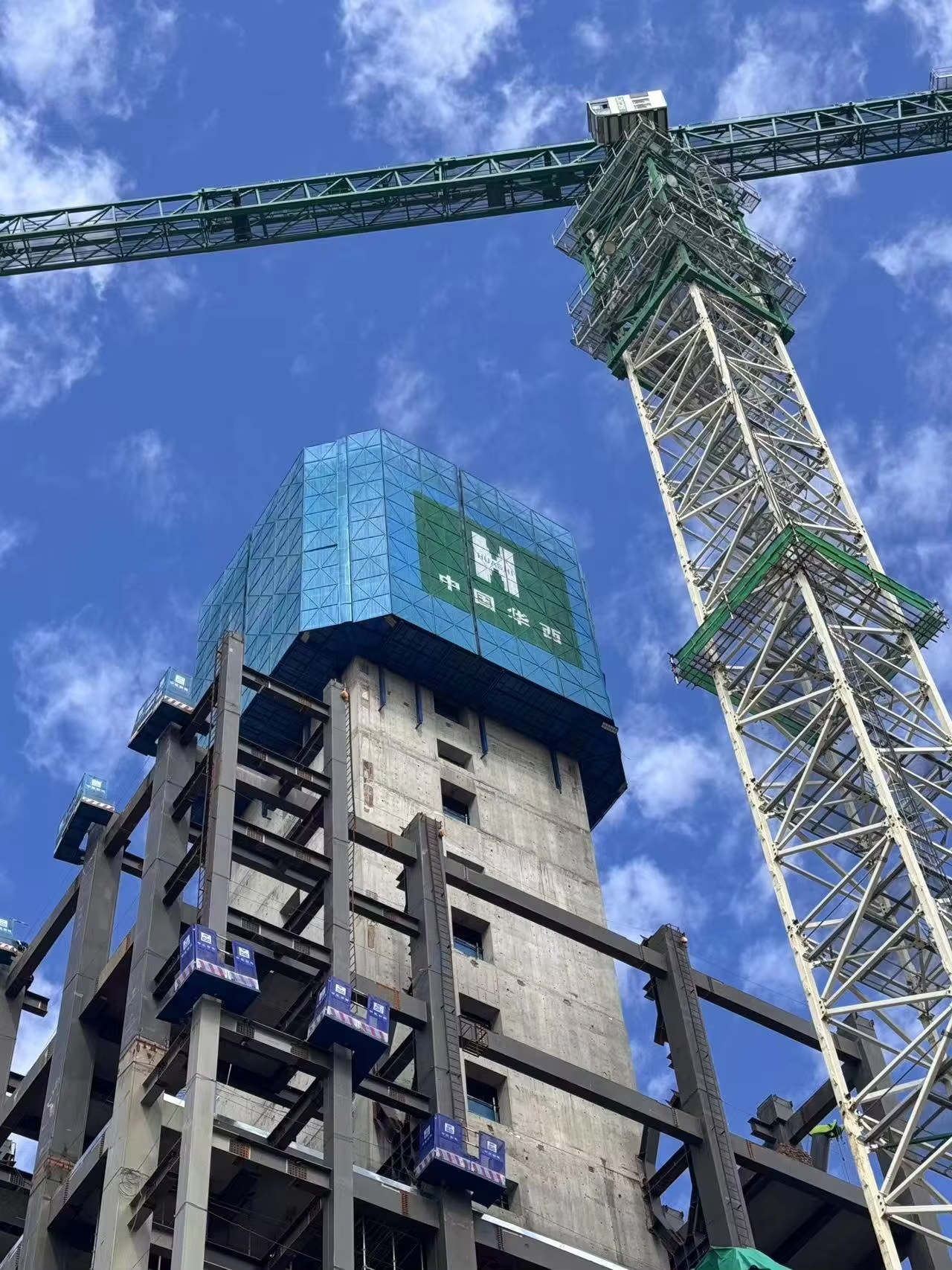
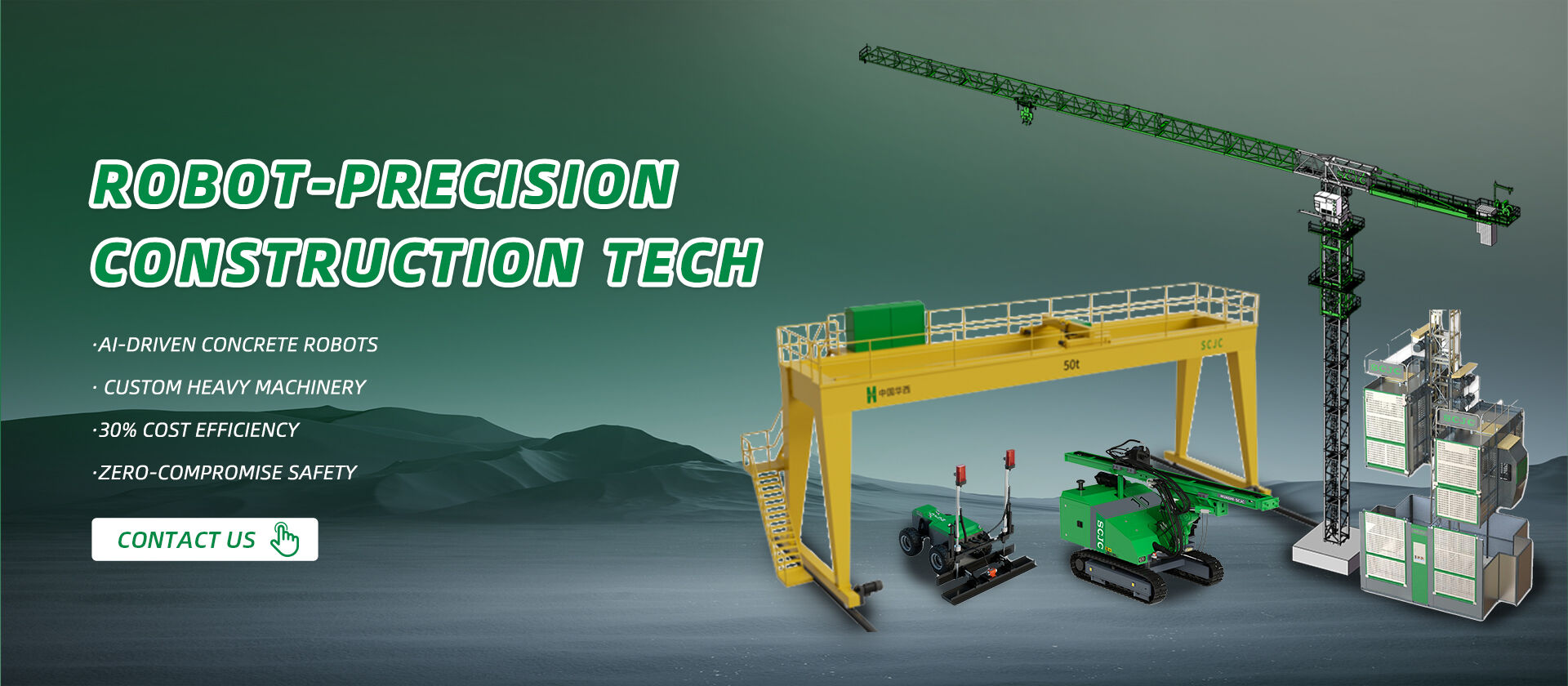
In contemporary construction, flat-top tower cranes have become pivotal equipment driving modern building projects through their unique structural design, high-efficiency performance, and flexible adaptability. Particularly suited for demanding scenarios like urban high-rise construction and large-scale infrastructure projects where spatial utilization and construction efficiency are paramount, their importance extends across multiple dimensions. They not only overcome the limitations of traditional tower cranes in complex environments but also deliver safer, more economical, and sustainable solutions through technological innovation.
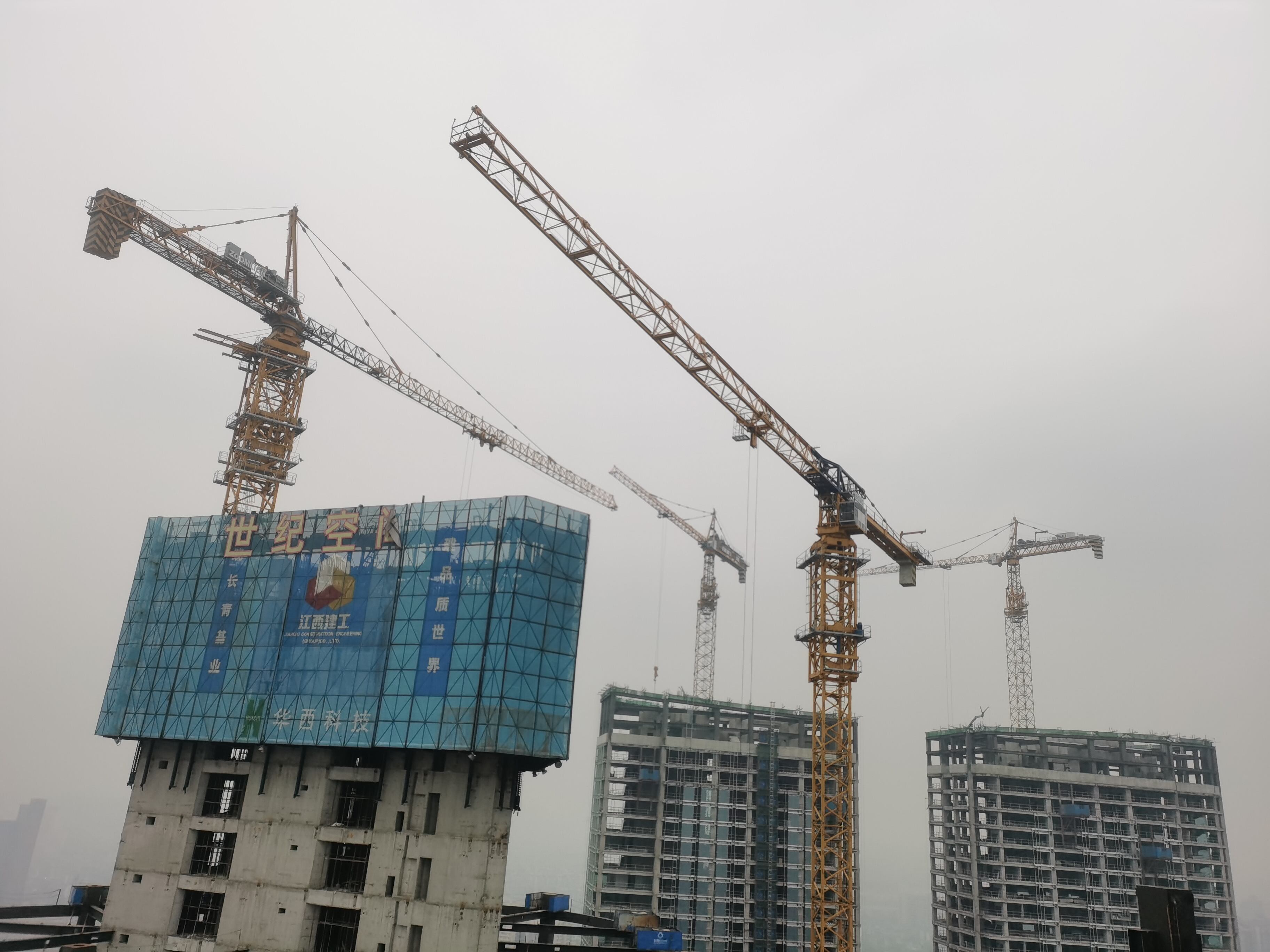
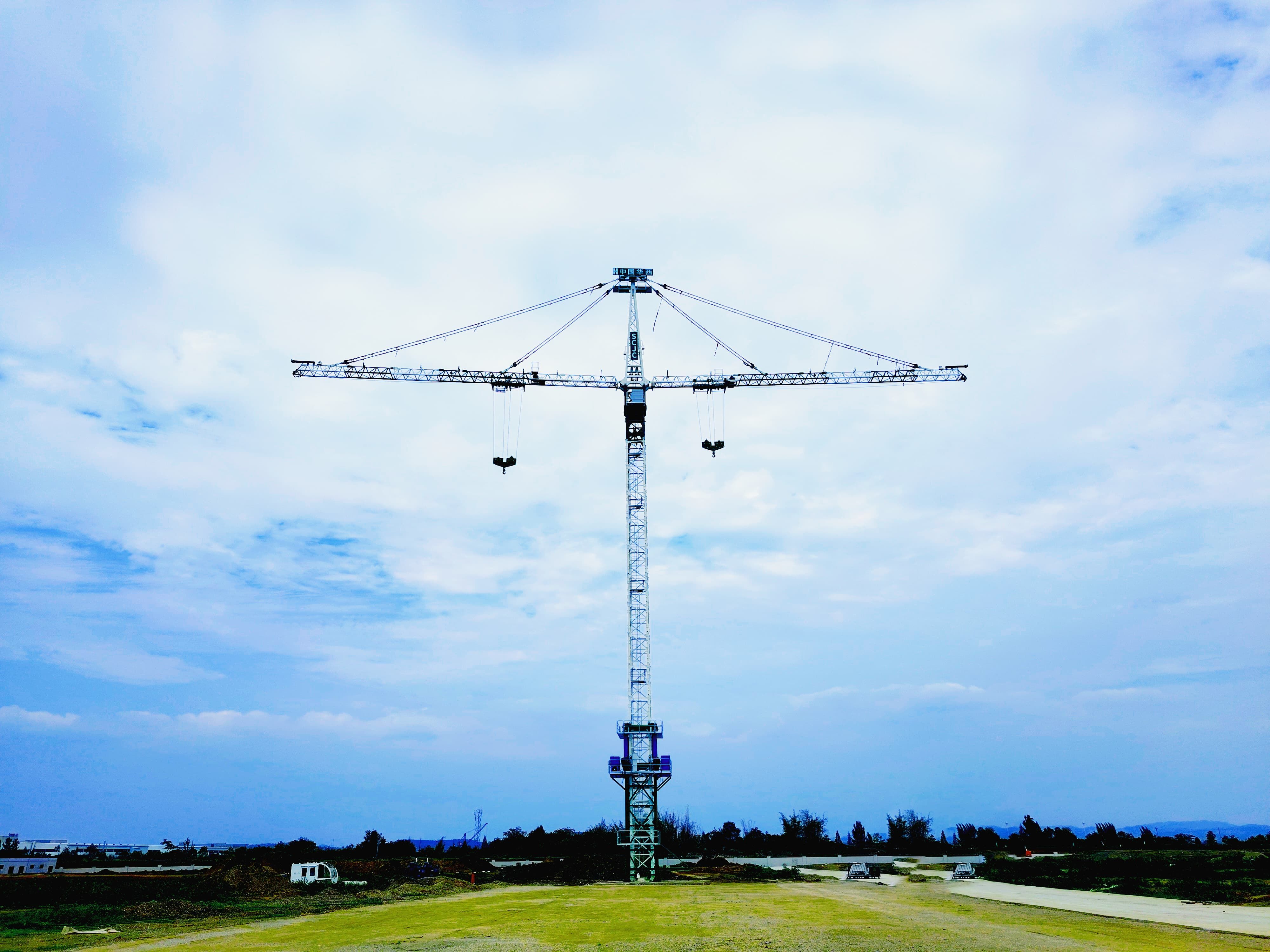
In terms of adaptability to densely populated urban construction sites, the flat-top tower crane's design inherently aligns with modern cities' spatial constraints. By eliminating the traditional turret enclosure and guy-rod system at the top, the structure features a distinctly flat profile. This characteristic delivers two major advantages: First, it allows for reduced spacing between cranes to just 3 meters (whereas conventional towers typically require over 10 meters of safety clearance), enabling the deployment of more cranes for coordinated operations in narrow urban sites or dense building clusters. Second, it eliminates safety hazards from structural collisions when multiple cranes operate simultaneously, significantly enhancing the fluidity and safety of coordinated crane operations. This “compact” operational capability makes it an ideal choice for high-rise residential and commercial complex projects in urban centers—areas where construction sites are often tightly enclosed by surrounding buildings, and efficient utilization of every inch of space directly impacts project schedule and cost control.
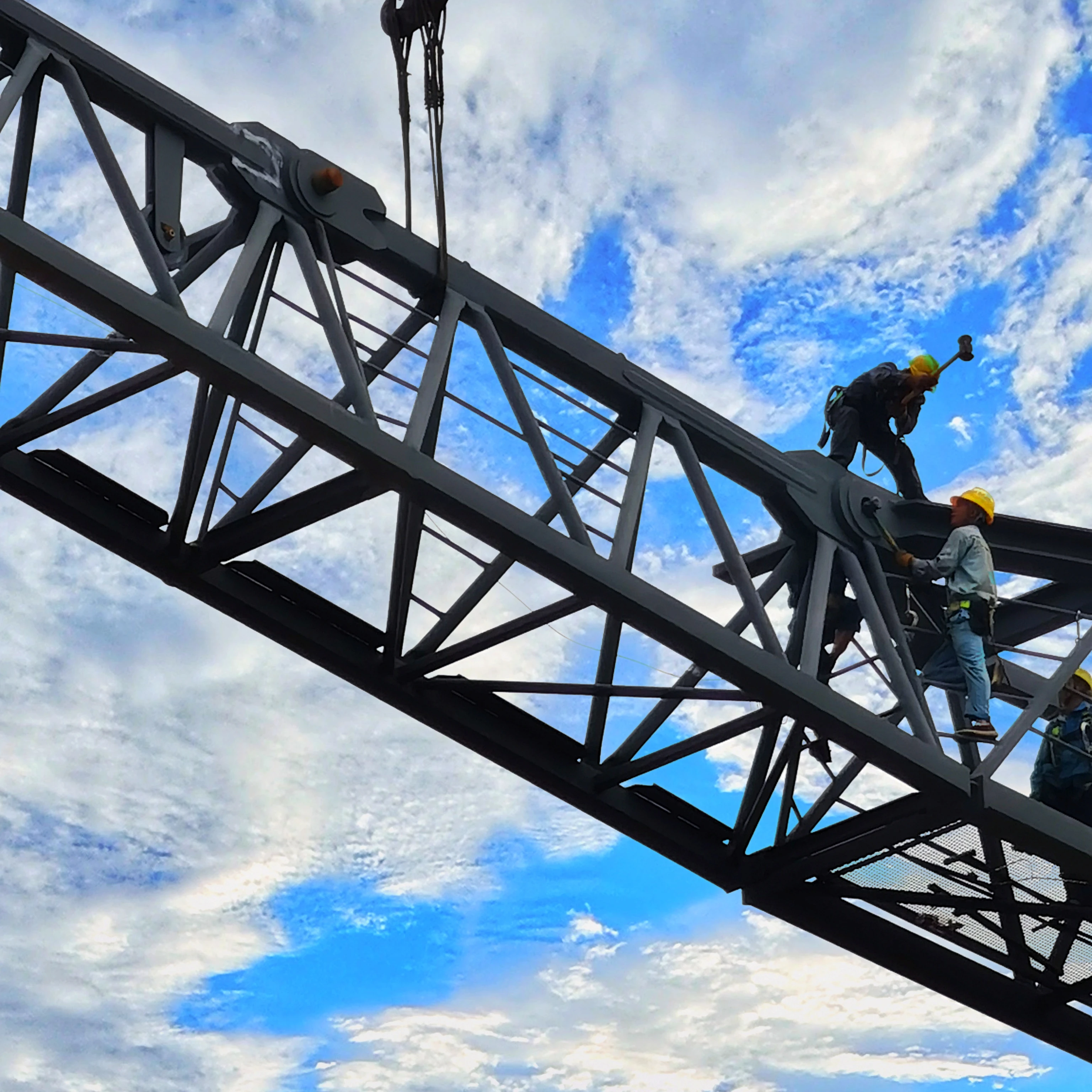
In terms of operational efficiency and ease of use, flat-top tower cranes also demonstrate significant advantages. Their modular structural design substantially simplifies installation and dismantling processes: the absence of complex tie-rod connection systems results in lighter components and fewer assembly steps. This not only reduces the time required for each installation (typically saving 20%-30% labor hours compared to traditional tower cranes) but also decreases reliance on auxiliary lifting equipment (e.g., smaller-tonnage auxiliary cranes can complete main assembly). Furthermore, the boom's adjustment requires no complete disassembly. Simple mechanical modifications allow for rapid changes in working radius, enabling swift adaptation to different construction phases—such as short-range lifting during foundation work versus long-range lifting during main structure erection. This flexibility not only reduces equipment replacement costs but also ensures continuous construction momentum, making it particularly suitable for large-scale projects with tight schedules.
Safety and structural stability represent another core competitive advantage of flat-top tower cranes. Their flat top structure and rigid boom design effectively reduce bending stress on the boom under long-term loads. While the tie-rod systems of traditional tower cranes provide some support, they are prone to fatigue cracks after repeated stress cycles. Flat-top cranes, however, optimize the overall structure to distribute stress across a more stable framework, thereby extending equipment lifespan and reducing maintenance frequency. Simultaneously, eliminating the top guardrails significantly reduces collision risks when multiple cranes operate in close proximity (statistics indicate a roughly 15% decrease in group operation accident rates). Combined with its excellent wind resistance (typically maintaining stable operation in winds up to Force 6), this further ensures safety during high-altitude construction. For super-tall buildings (such as skyscrapers exceeding 300 meters) or large-span bridge projects, this combination of “high stability and low risk” is essential for ensuring smooth construction progress.
 EN
EN