I. Significantly Enhanced Construction Safety
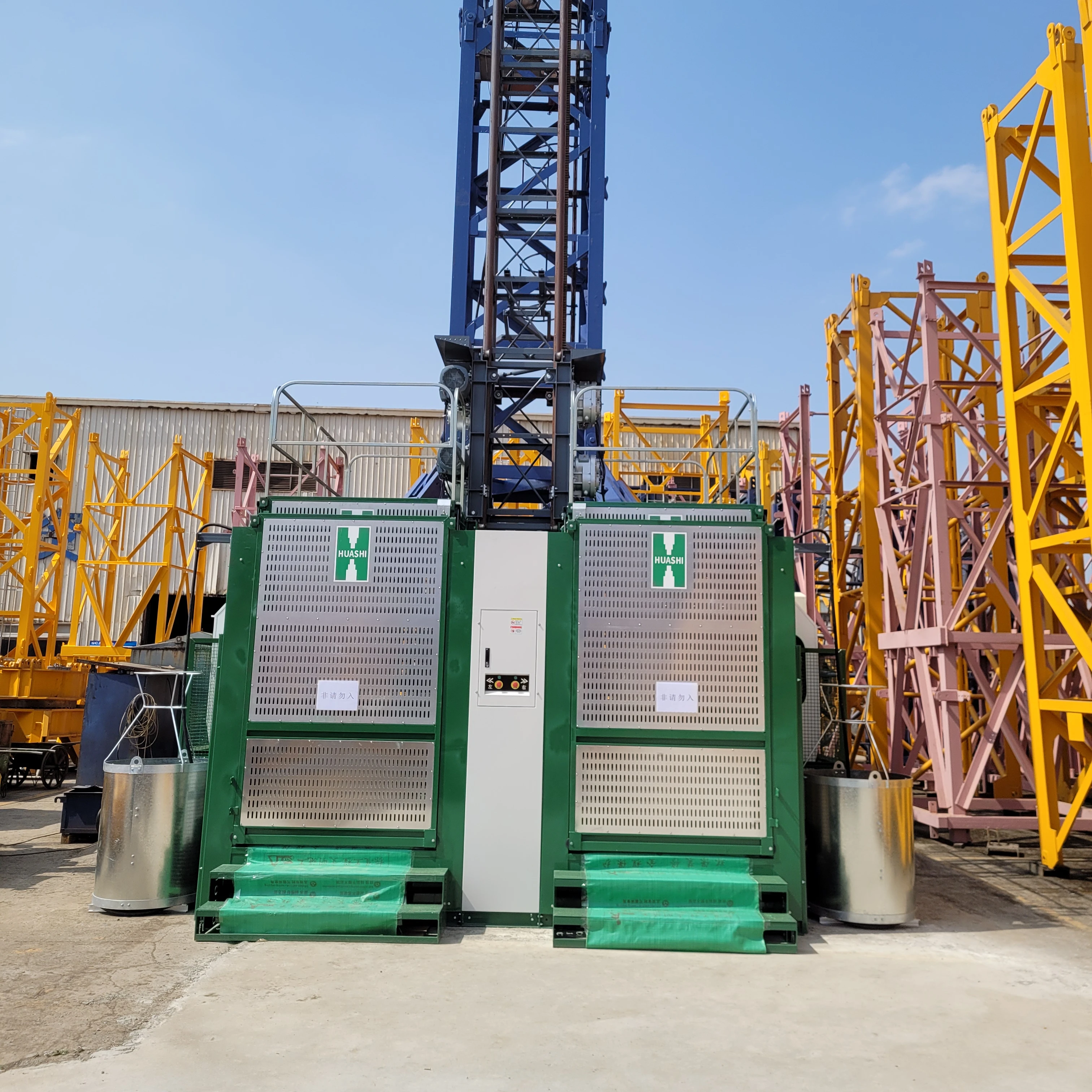
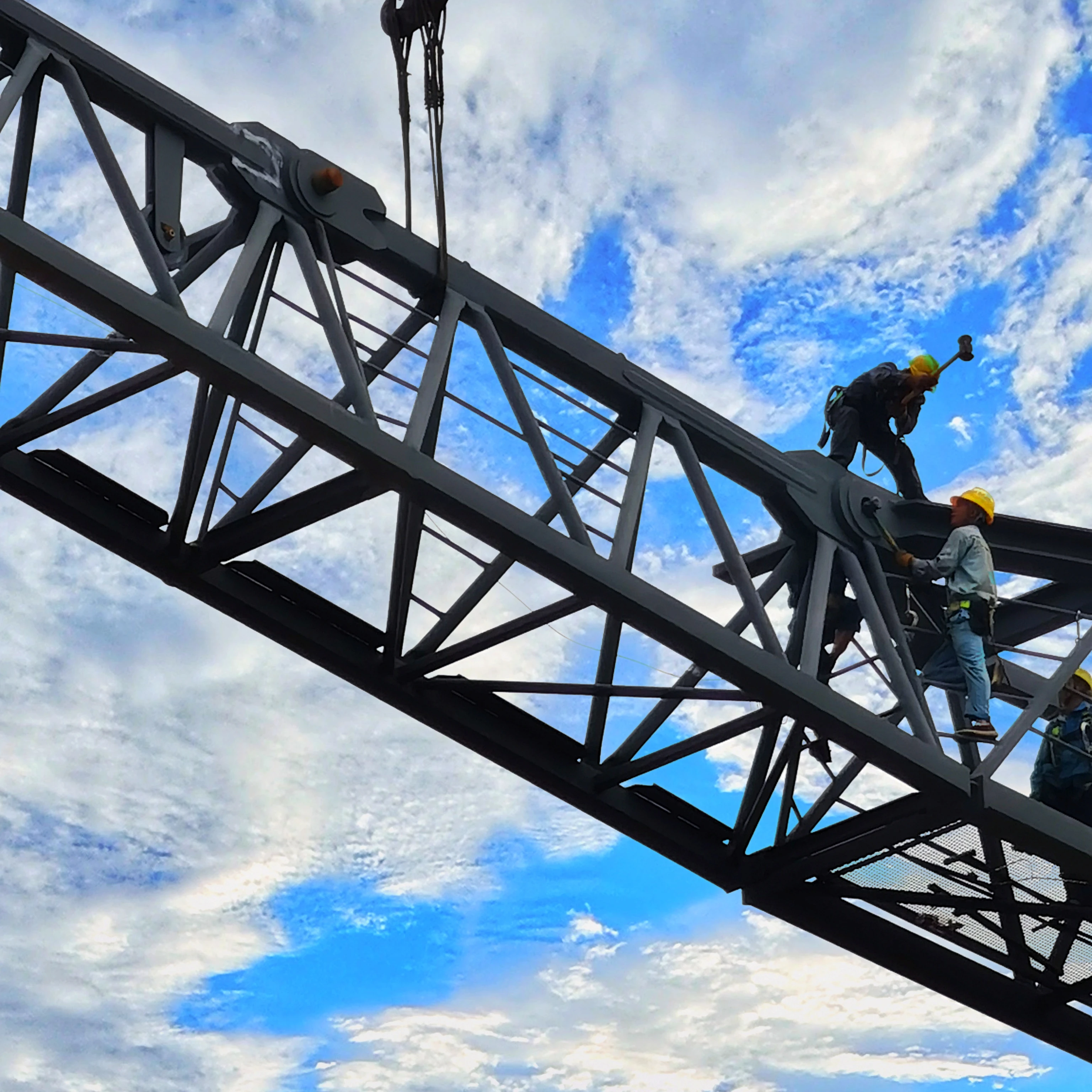
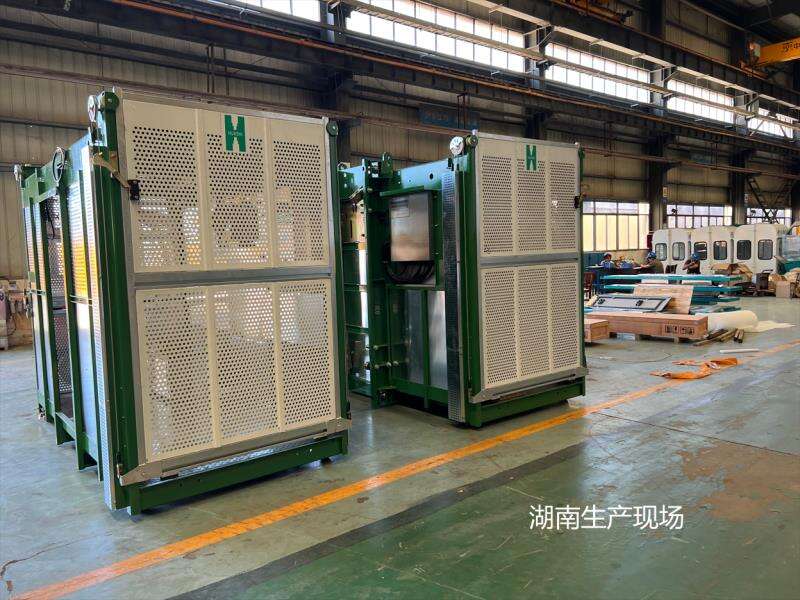
The most prominent value of construction platform lifts lies in their exceptional safety performance. First, they substantially reduce the risk of falls or collisions during the transport of workers and materials at heights—traditional methods relying on ladders or manual handoffs often pose dangers due to unstable centers of gravity or operational errors. The enclosed cage design ensures stable material transport while providing physical protection for operators. Second, these systems typically utilize high-strength steel and anti-slip structures, maintaining stability even when fully loaded. They strictly comply with OSHA (Occupational Safety and Health Administration) and industry safety standards, helping contractors mitigate legal and financial risks associated with accidents.
II. Significantly Enhanced Construction Efficiency
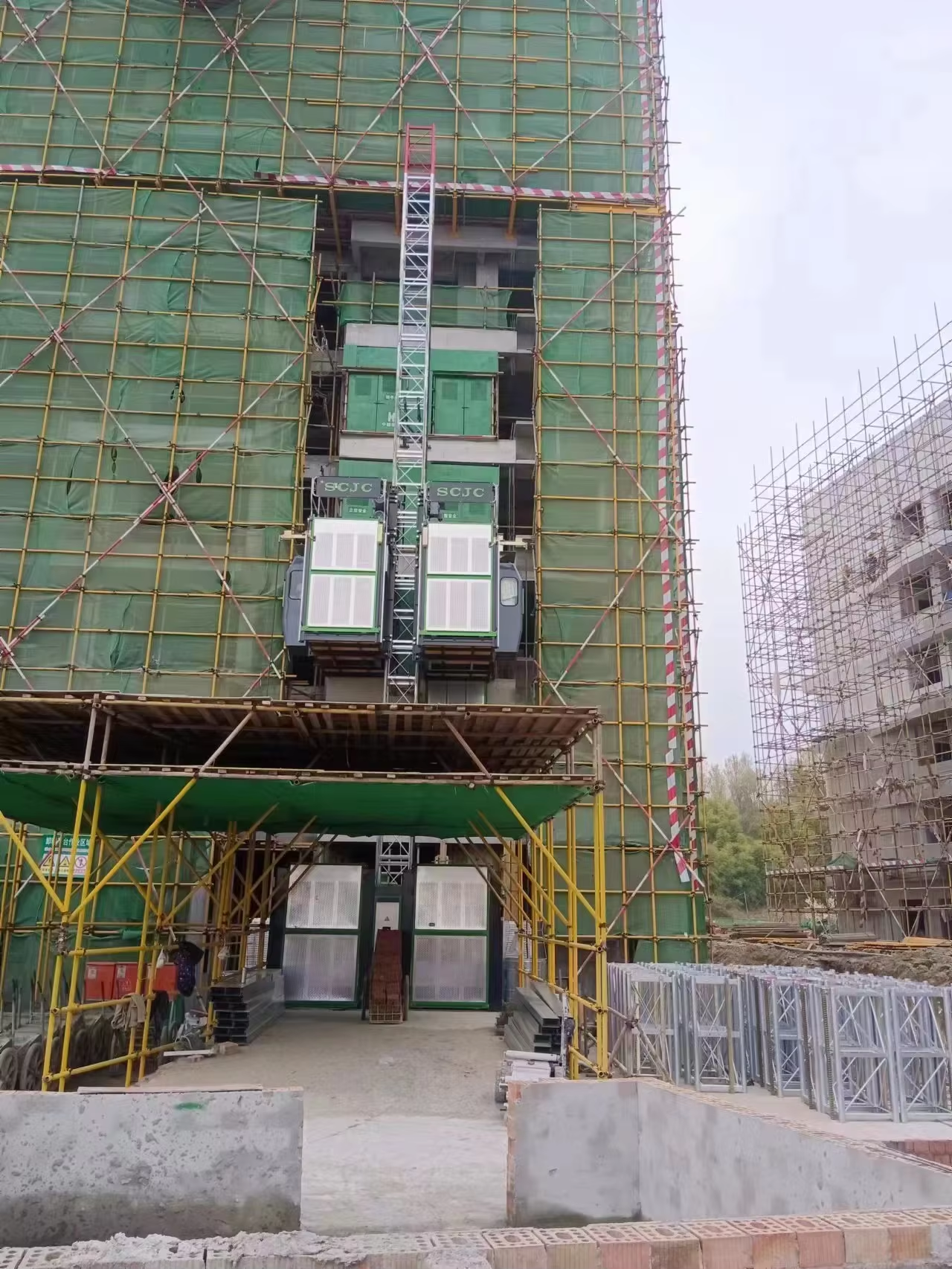
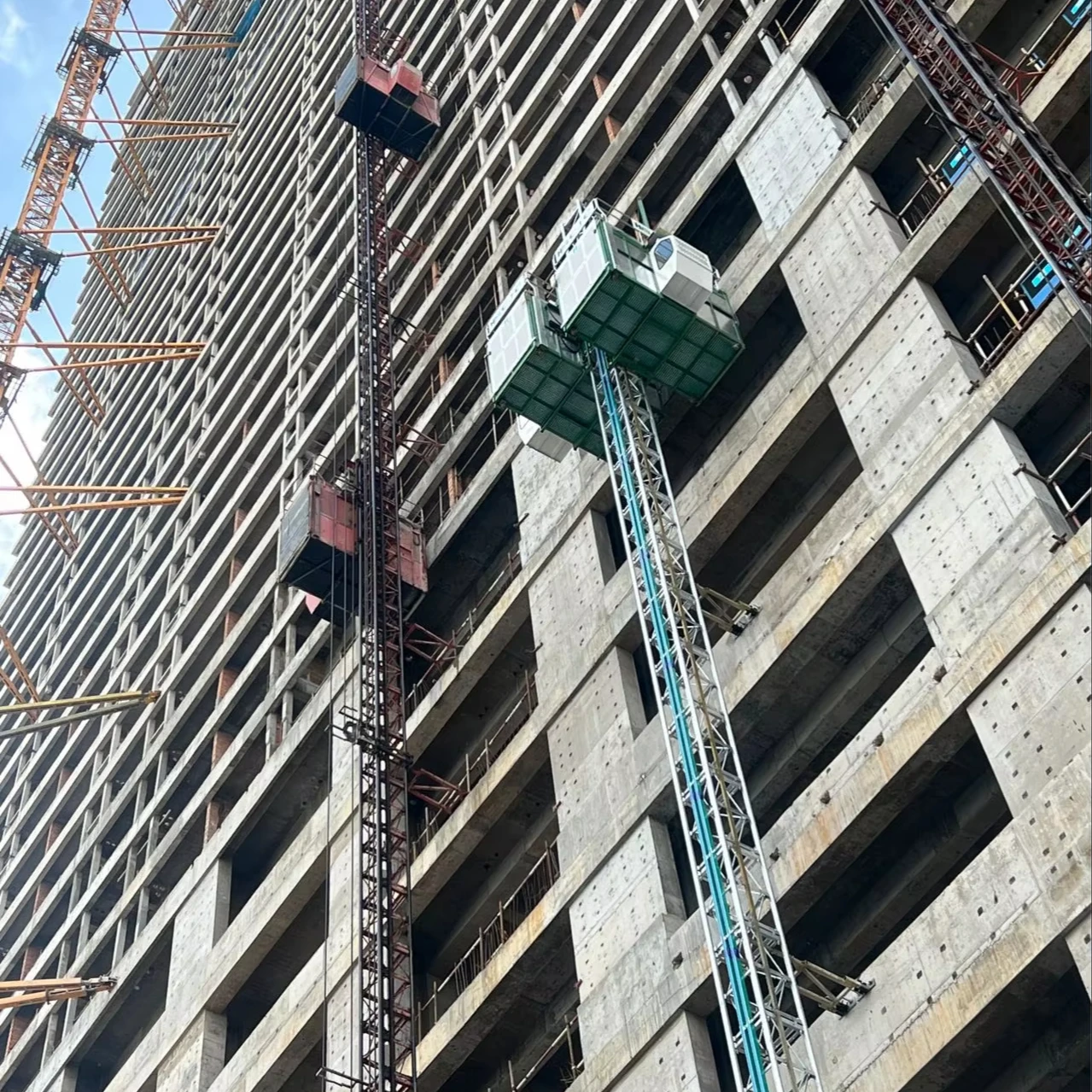
Efficiency gains represent another core advantage of construction platform lifts. In traditional methods, workers must repeatedly transport materials, consuming time and energy while disrupting workflow rhythms due to physical exertion. Lifts, however, rapidly deliver heavy materials like rebar, cement, and panels directly to designated floors using mechanical power, drastically reducing vertical transport time. For instance, in high-rise projects, a standard lift with a 400-pound (approx. 180 kg) capacity and 44-foot (approx. 13 m) lifting height achieves several times the transport efficiency of manual labor per trip. It also enables continuous operation, preventing work stoppages caused by delayed material supply. Additionally, its user-friendly operation (most equipped with intuitive control panels) lowers worker training costs, further accelerating construction processes.
III. Flexible Adaptation to Diverse Construction Scenarios
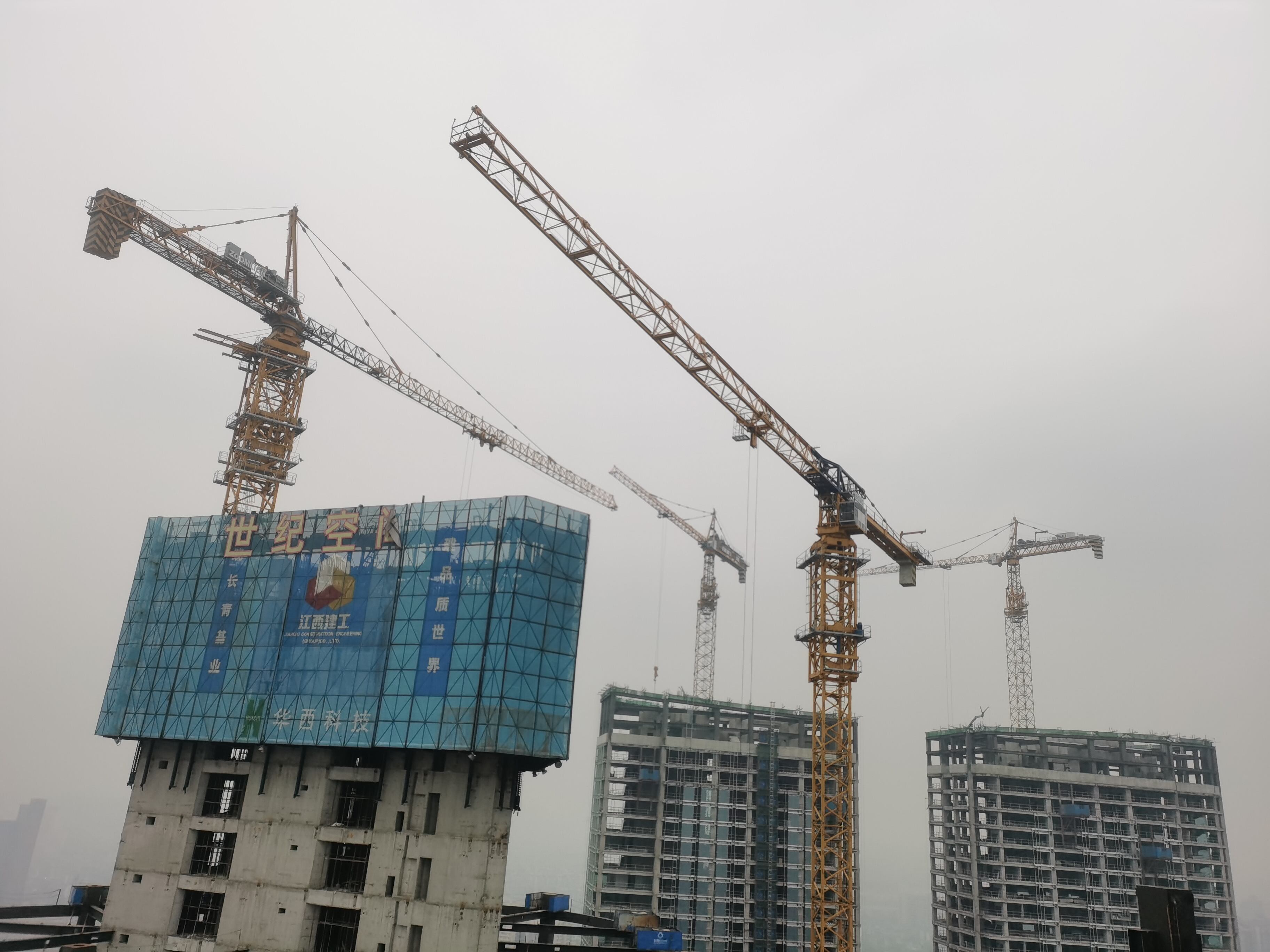
The design flexibility of construction platform lifts enables them to meet the customized needs of different projects. Functionally, the market offers both electric and fuel-powered (gasoline/diesel) versions. Electric models suit indoor settings or sites with stable power supply (e.g., interior renovations or low-rise buildings with temporary power access), featuring low noise and zero emissions. Fuel-powered models excel in outdoor or remote areas without electricity (e.g., wilderness infrastructure or exterior work on high-rise buildings), offering extended runtime and freedom from power constraints. In application scenarios, it is widely used in roofing projects (transporting tiles, insulation materials), framing construction (hoisting steel beams, prefabricated components), drywall installation (moving gypsum boards), concrete pouring (assisting pump pipelines), and HVAC equipment hoisting, covering nearly all construction phases requiring vertical transportation. Notably, its lifting height can be customized to project requirements (typically ranging from 20 to 100 feet, with some industrial-grade models reaching even greater heights), making it adaptable for both low-rise commercial buildings and super-tall residential structures.
 EN
EN