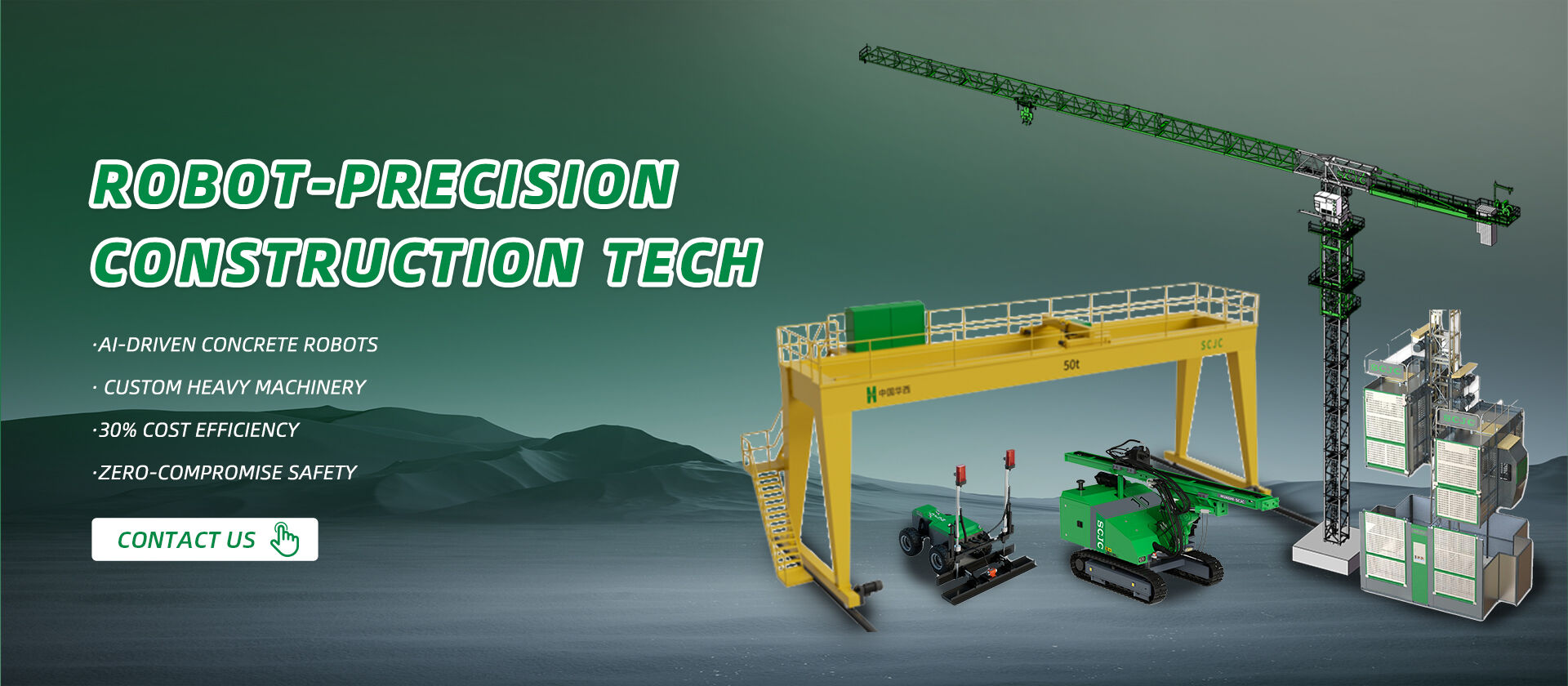
In the field of modern construction engineering, construction material hoists (also known as material lifts or construction freight elevators) serve as critical vertical transportation equipment. Their importance is increasingly highlighted with the rise of high-rise buildings and large-scale infrastructure projects. Unlike construction elevators primarily designed for personnel transport, these devices are specifically engineered for the efficient and safe vertical conveyance of building materials, tools, and equipment, making them essential for ensuring smooth logistics on construction sites.
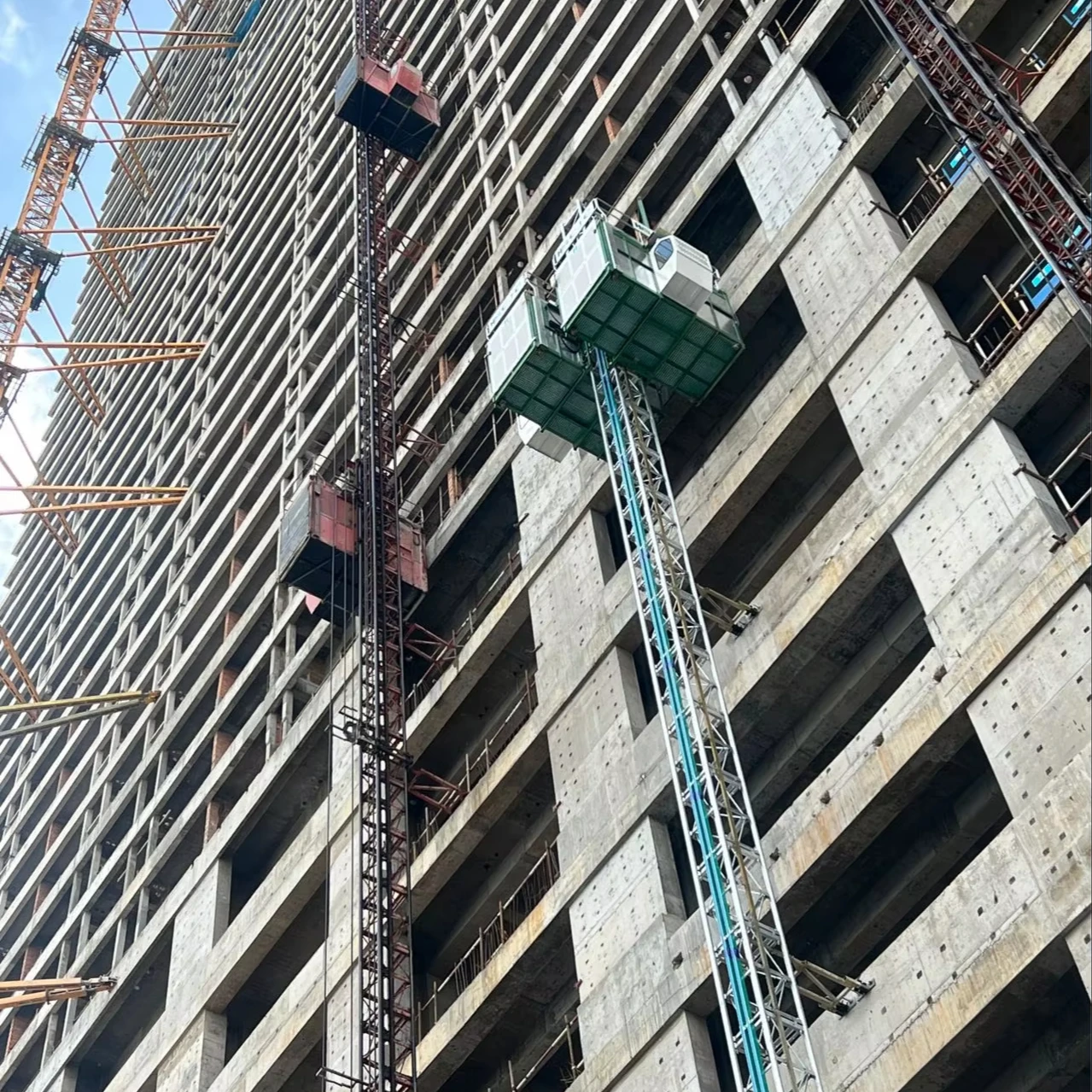
From an efficiency perspective, construction hoists act as accelerators for project timelines. Traditional methods relying on manual labor or multiple crane lifts are not only time-consuming and labor-intensive but also prone to material supply delays due to coordination issues. By enabling continuous mechanized operation, hoists rapidly deliver heavy building materials like cement, steel, and timber directly to designated floors, significantly reducing time losses in intermediate processes. For instance, in super-high-rise construction, a high-capacity, high-speed hoist can compress material transfers that would otherwise take hours into mere minutes, directly accelerating the overall construction pace. More crucially, its stable transport capacity prevents worker downtime caused by material shortages, further unlocking the productive efficiency of human resources.
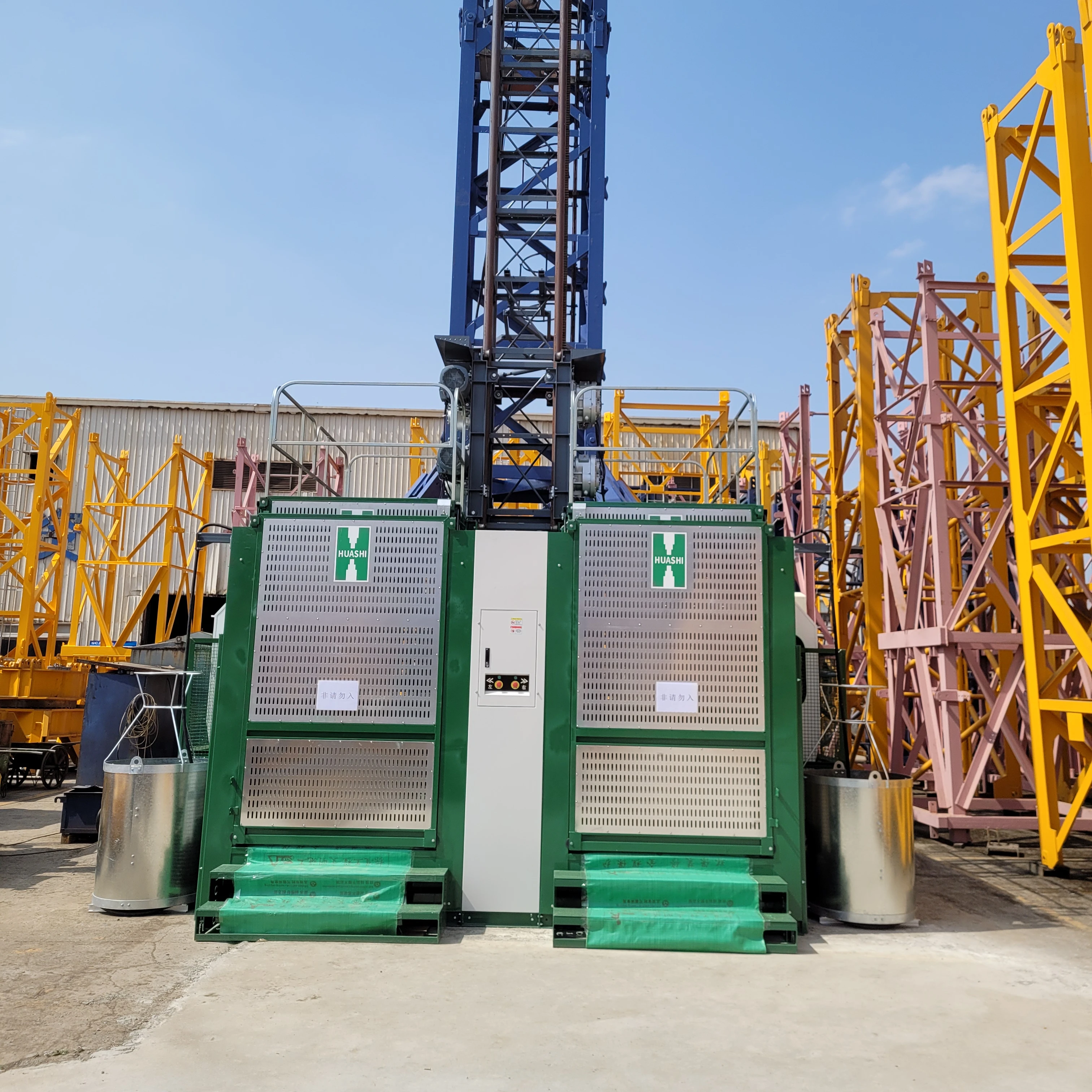
Safety performance represents another core value of construction material hoists. High-altitude operations on construction sites inherently carry numerous risks. Relying on manual carrying or rudimentary lifting tools for material transport significantly increases the likelihood of accidents such as falls or crushing injuries. Professional material hoists incorporate multiple safety mechanisms from the design stage: automatic overload alarms and power-off protection, emergency braking systems, fall arresters, and enclosed or guardrail-enclosed cargo compartments effectively prevent material slippage or equipment malfunction. These designs not only safeguard workers' lives but also avoid additional economic losses from damaged materials, providing robust security for project safety.
Cost control remains a key concern for contractors. While the initial purchase or rental of a material hoist requires investment, its long-term cost-saving benefits are substantial. On one hand, mechanized transport significantly reduces labor requirements—tasks that once demanded multiple workers can now be completed by a single operator. On the other hand, efficient transport frequency minimizes the risk of schedule delays caused by material shortages, avoiding costly rush work. For large-scale projects with tight schedules, this dual optimization of time and cost often yields substantial intangible benefits.
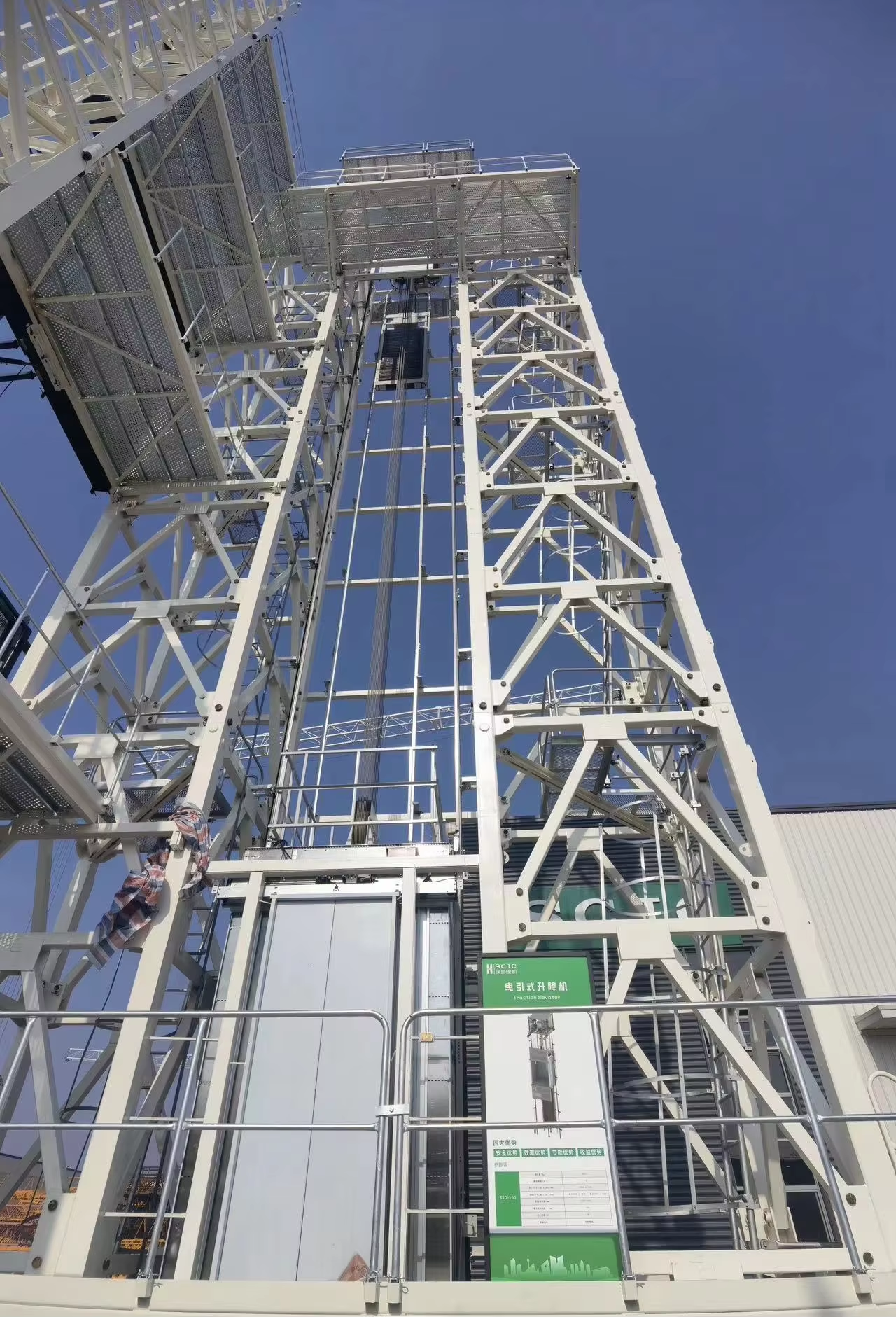
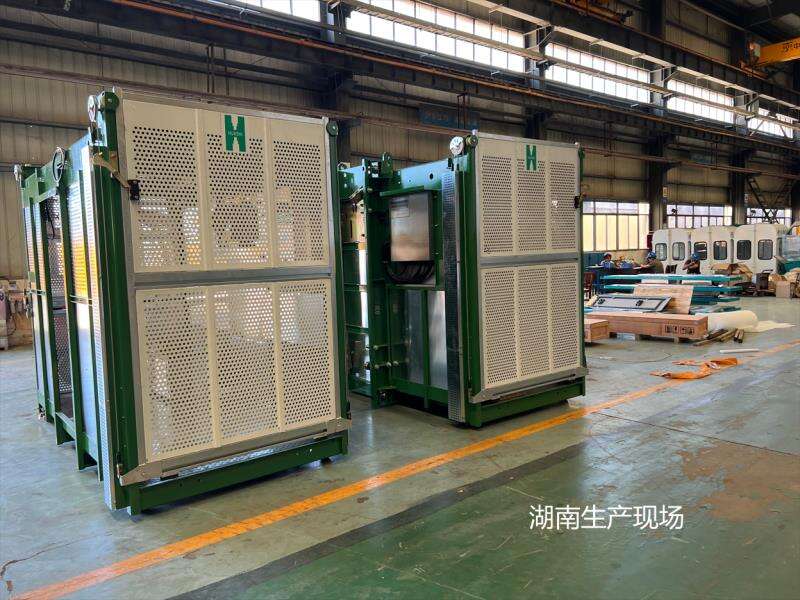
The adaptability of construction material hoists allows them to flexibly meet diverse project requirements. Whether for commercial complexes dozens of meters tall, bridges or dams with vast spans, or steel structure installations in industrial plants, suitable models can be found. Material hoists on the market cover a wide range of load capacities (from light-duty models handling hundreds of kilograms to heavy-duty units exceeding 3,000 kg). Drive systems include rack-and-pinion (suitable for stable, high-frequency transport), traction (offering superior smoothness), and hydraulic (low-noise for light loads), enabling customized solutions based on building height, material type, and site conditions. This flexibility makes them a versatile logistics partner for all types of construction projects.
Finally, compliance serves as the foundational guarantee for the widespread adoption of construction material hoists. As global construction safety standards evolve, premium hoists must obtain authoritative certifications like CE (EU Mandatory Certification), ISO (International Organization for Standardization), and OSHA (Occupational Safety and Health Administration) to ensure structural integrity, electrical safety, and operational reliability meet international norms. Concurrently, regular maintenance and professional inspections are crucial for extending equipment lifespan and maintaining performance stability—this not only safeguards the machinery itself but also embodies responsibility toward all site personnel.
 EN
EN