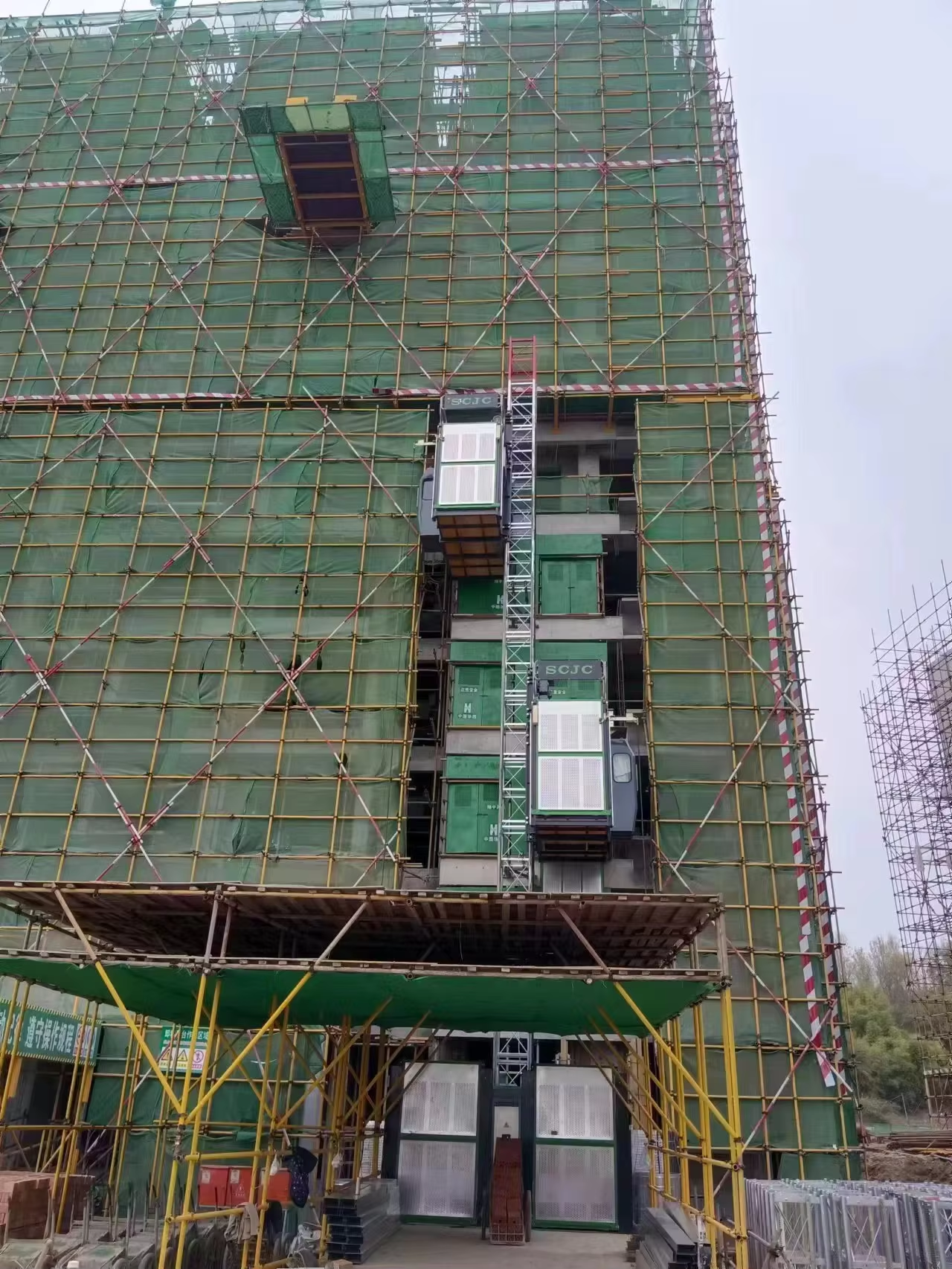
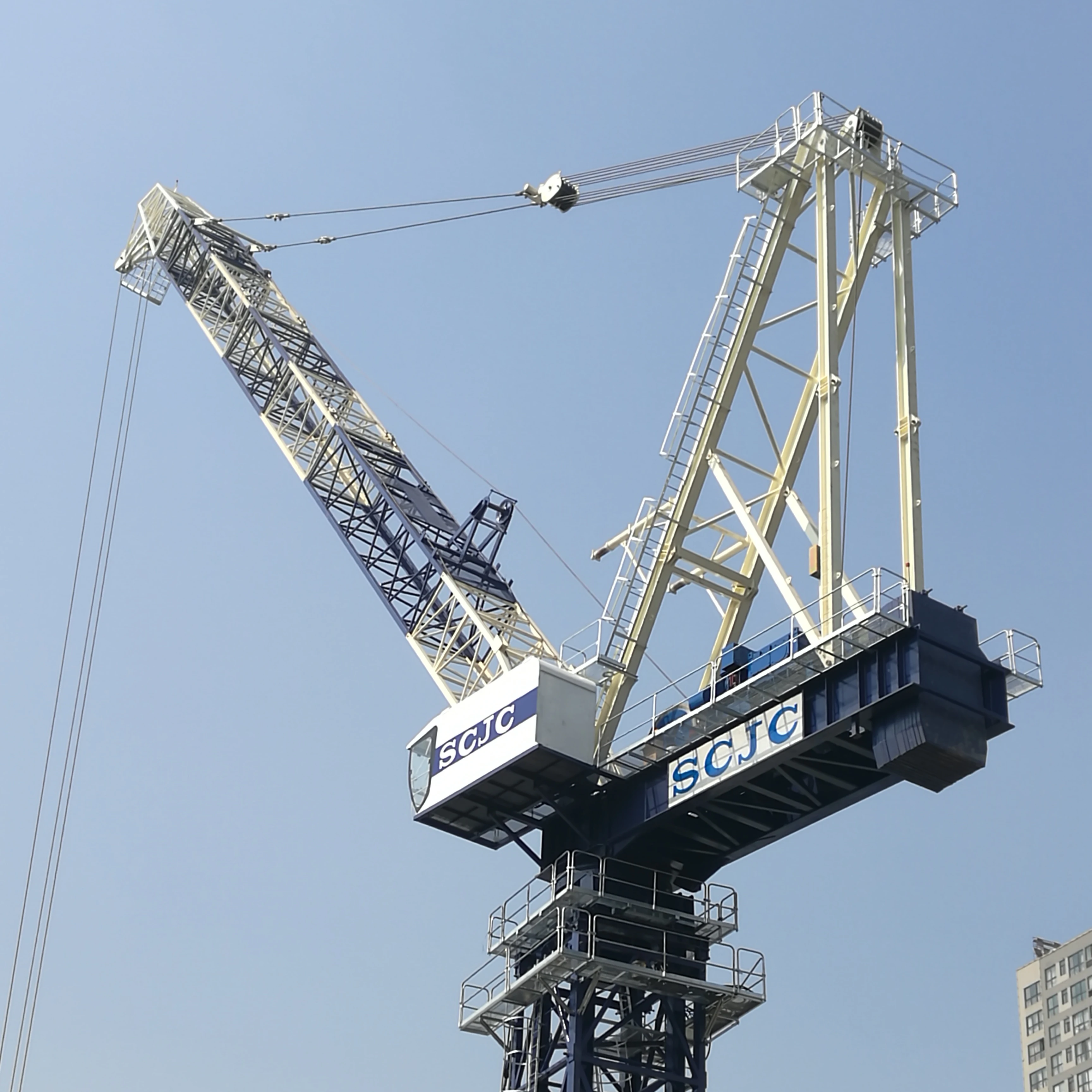
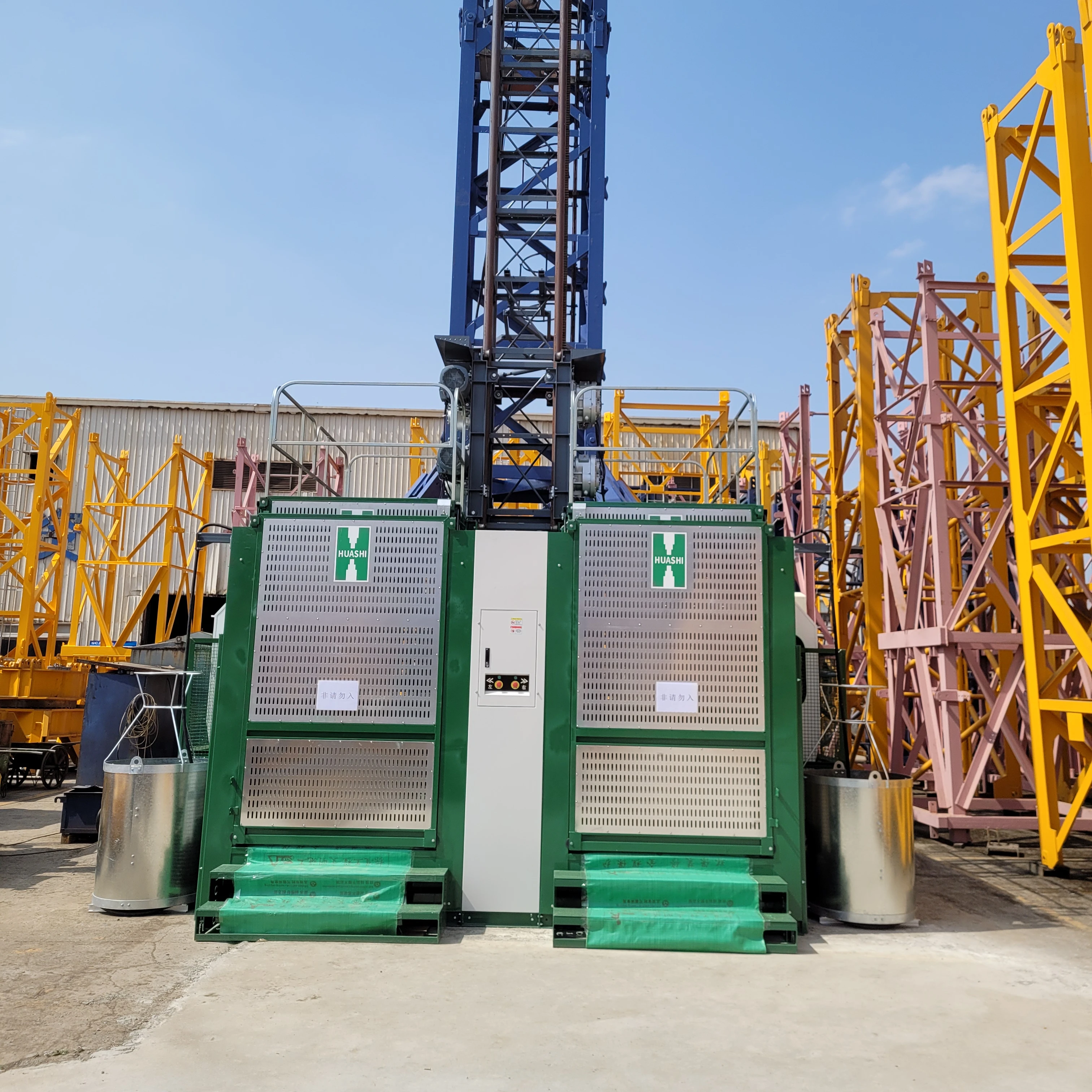
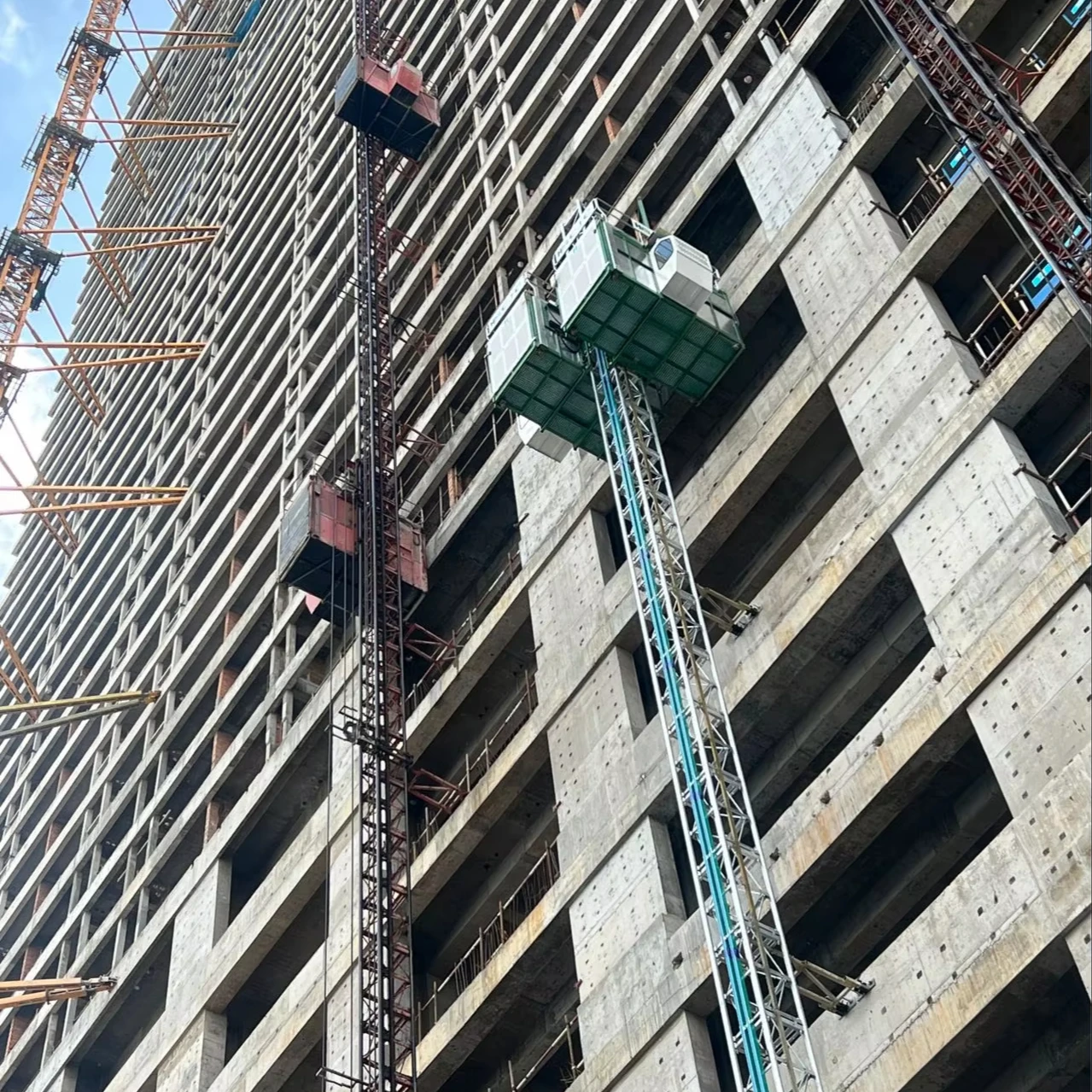
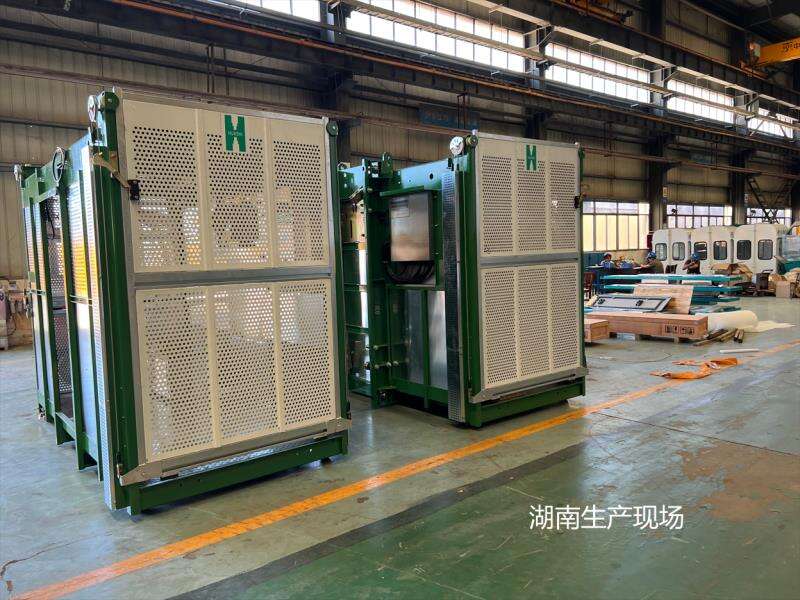
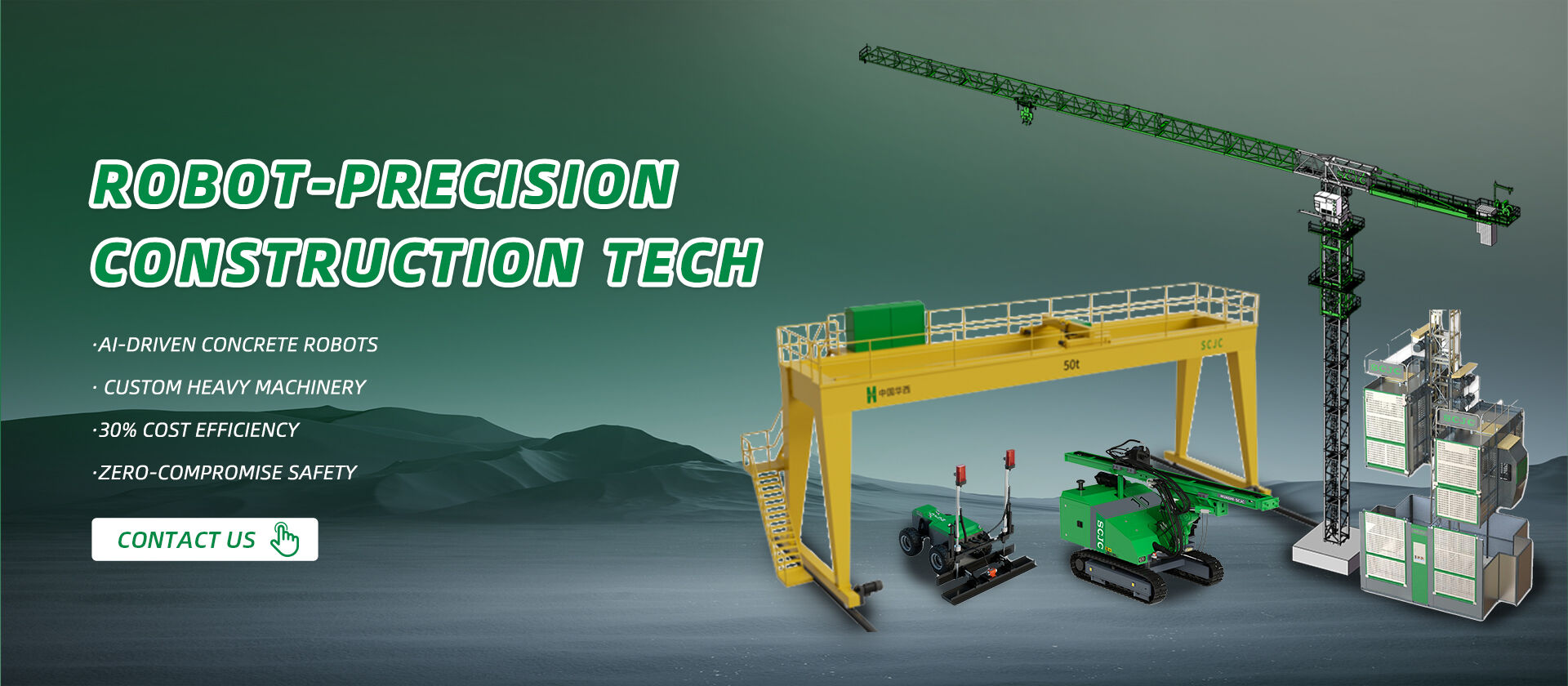
In the field of modern construction engineering, construction hoists (also known as construction elevators or personnel and material lifts) serve as the core equipment for vertical transportation. Their importance spans the entire lifecycle of high-rise buildings, towers, and large-scale infrastructure projects. As building heights continue to rise and construction pace accelerates, traditional vertical transport methods relying on stairs, cranes, or scaffolding struggle to meet demands for efficiency and safety. The advent of construction hoists fundamentally resolves this challenge, becoming a critical tool for ensuring project timelines, reducing safety risks, and optimizing resource allocation.
From a core functional perspective, the most significant value of construction hoists lies in enhancing vertical transport efficiency. In high-rise construction projects spanning dozens of floors, workers must commute daily between ground level and work platforms, while building materials and equipment require frequent movement between floors. Relying on manual labor or non-specialized equipment not only consumes significant time and effort but also severely slows construction pace. Construction hoists, powered by electric motors or mechanical transmission systems, rapidly and reliably transport personnel and materials directly to target floors, drastically reducing individual transport times. For instance, in commercial complexes or super-tall residential projects, a fully loaded construction hoist can complete dozens of transport trips per hour. This ensures critical materials like rebar, formwork, and concrete arrive promptly, preventing work stoppages due to material shortages. Simultaneously, workers reach work surfaces more efficiently, reducing physical exertion and allowing greater focus on core construction tasks.
Safety performance represents another irreplaceable core value of construction hoists. The construction industry has always been a high-risk sector, with accidents like falls from heights, material drops, and equipment overturns occurring frequently. Traditional non-professional transport methods—such as climbing scaffolding or using rudimentary hoisting equipment—are major contributing factors to these incidents. In contrast, modern construction hoists strictly adhere to international safety standards (such as China's GB/T 10054, Europe's CE certification, and international ISO specifications), incorporating multiple safety mechanisms: emergency braking systems enable rapid shutdown during anomalies; overload sensors monitor loads in real time, triggering alarms and halting operation when exceeding rated capacity; enclosed cabins or guardrails provide physical barriers to prevent falls; Some high-end models also incorporate wind-anchor devices and operational monitoring systems, ensuring stable operation even during severe weather like strong winds or heavy rain. These designs fundamentally reduce accident probabilities caused by human error or environmental factors, providing robust protection for the lives of hundreds or even thousands of workers on-site.
From an economic perspective, construction hoists are equally crucial for cost control and schedule compression. On one hand, their automated, continuous transport mode reduces manual handling requirements—tasks that previously required several workers and half an hour to complete can now be accomplished by the hoist in minutes, significantly lowering labor input. On the other hand, the efficient transport rhythm prevents work stoppages caused by material delays, enabling critical processes like concrete pouring and steel structure installation to proceed as scheduled, thereby compressing the overall project timeline. For developers and contractors, this translates to faster capital recovery and higher return on investment; for the construction industry as a whole, it drives an overall improvement in construction efficiency.
 EN
EN