 EN
EN

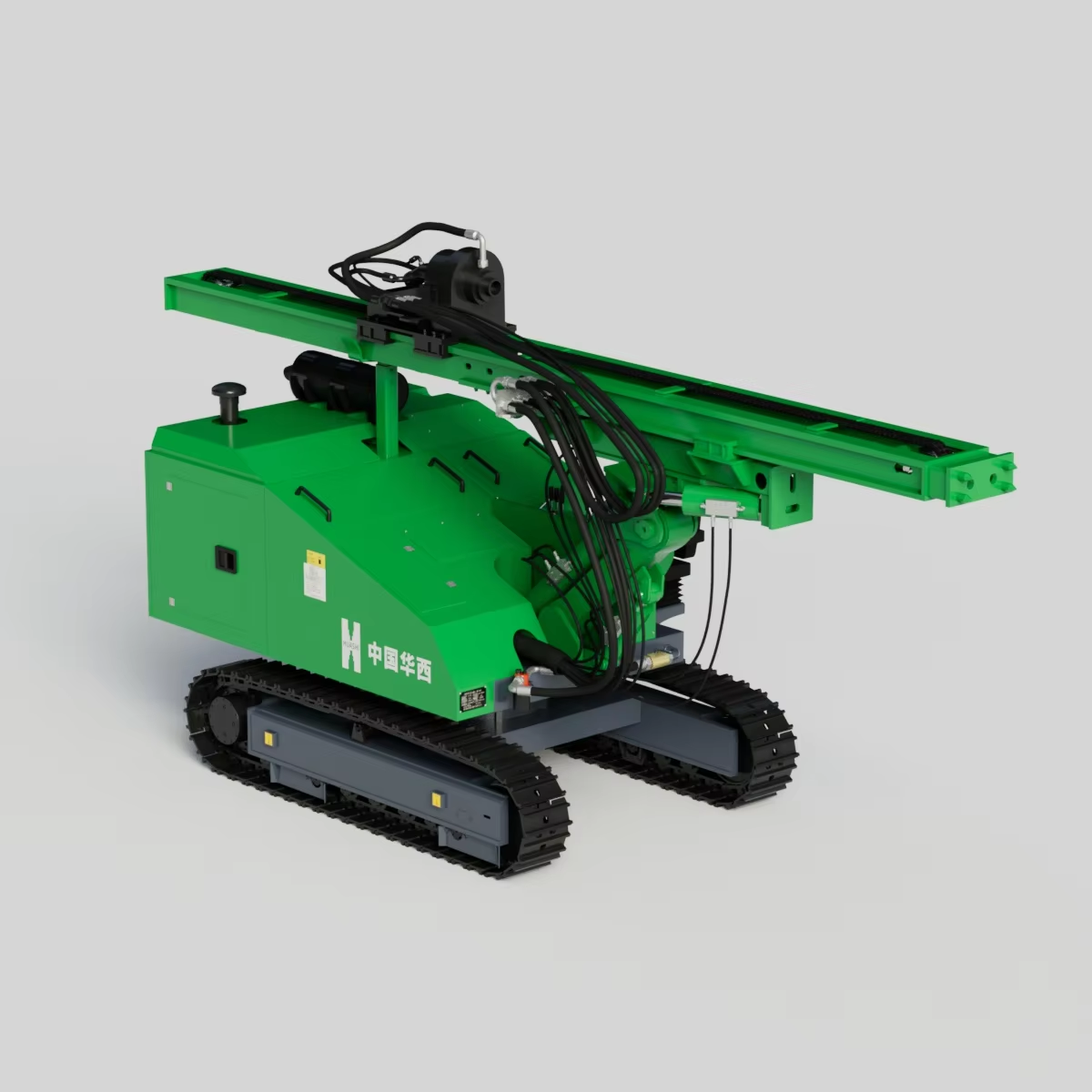
Every towering skyscraper, expansive bridge, and resilient industrial facility owes its enduring stability to what lies beneath the surface. The foundation is the silent guardian of structural integrity, and at the heart of foundation engineering lies quality piling. Whether constructing on soft soil, near water bodies, or in seismically active zones, the role of quality piling extends far beyond initial load transfer. It determines whether a structure will withstand decades of environmental stress, ground movement, and operational demands. Understanding why quality piling is not merely a construction phase but a long-term investment in structural resilience is essential for engineers, developers, and stakeholders who prioritize safety and longevity over short-term cost savings.
The consequences of inadequate piling manifest years or even decades after construction completion. Differential settlement, structural cracking, foundation failure, and catastrophic collapse often trace back to compromised piling quality during the initial construction phase. This reality underscores why quality piling must be treated as a critical determinant of structural performance rather than a routine construction activity. The materials selected, installation precision, load testing protocols, and ongoing monitoring all contribute to whether a foundation will reliably support its intended load throughout the structure's design life. This article explores the multifaceted reasons why quality piling serves as the cornerstone of long-term structural stability and examines the technical, economic, and safety implications of prioritizing excellence in foundation construction.
Why Quality Piling Determines Foundation Performance Over Decades
The Direct Relationship Between Piling Quality and Load Distribution
Foundation piles function as the primary mechanism for transferring structural loads from the superstructure through weak or compressible soil layers to more competent bearing strata. The effectiveness of this load transfer depends entirely on the quality of pile installation, material integrity, and the interface between the pile and surrounding soil. When quality piling standards are maintained, loads distribute uniformly across the pile group, preventing localized stress concentrations that lead to differential settlement. Each pile must achieve its design capacity and maintain consistent performance characteristics to ensure the foundation behaves as an integrated system rather than a collection of individual elements with varying load-bearing capabilities.
Poor quality piling introduces variability in load distribution patterns that compound over time. Piles with inadequate concrete consolidation, contaminated reinforcement, or insufficient embedment depth will exhibit reduced capacity compared to properly installed piles within the same foundation. This capacity differential creates uneven settlement patterns as the structure ages and accumulated loads increase. The soil surrounding lower-quality piles experiences higher stress levels, accelerating consolidation and potentially triggering progressive failure mechanisms. Quality piling eliminates these performance disparities by ensuring every pile meets specified capacity requirements and maintains structural integrity under sustained loading conditions throughout the design life of the structure.
Material Degradation Resistance Through Superior Piling Standards
Environmental exposure subjects foundation piles to aggressive conditions that accelerate material degradation when quality standards are compromised. Concrete piles face sulfate attack, chloride penetration, freeze-thaw cycling, and carbonation depending on soil chemistry and groundwater conditions. Steel piles encounter corrosion from dissolved salts, organic acids, and electrochemical reactions in saturated soil environments. Quality piling addresses these degradation mechanisms through proper material selection, adequate cover thickness, appropriate concrete mix design, and corrosion protection systems that extend pile service life well beyond minimum code requirements.
The long-term stability implications of material degradation become apparent when comparing structures built with quality piling to those where cost-cutting compromised material specifications. High-quality concrete with low permeability and appropriate admixtures resists chemical attack for decades, while substandard concrete allows aggressive agents to penetrate and deteriorate reinforcement within years. Similarly, properly specified and applied corrosion protection on steel piles maintains structural capacity for the full design life, whereas inadequate protection leads to section loss that reduces pile capacity and threatens structural stability. Investing in quality piling materials and protection systems proves far more economical than addressing foundation failure and implementing costly remediation measures years after construction completion.
The Compounding Effect of Time on Piling Quality Deficiencies
Foundation defects that appear minor during construction magnify their impact as structures age and loading conditions evolve. A slight deviation from verticality in pile installation creates eccentric loading that increases bending stresses and reduces effective capacity. Minor concrete defects like honeycombing or cold joints become pathways for water infiltration and subsequent reinforcement corrosion. Insufficient pile length that barely meets initial design requirements leaves no safety margin for unexpected soil conditions or future load increases. Quality piling eliminates these marginal conditions by incorporating rigorous installation tolerances, comprehensive quality control testing, and conservative design approaches that anticipate long-term performance requirements.
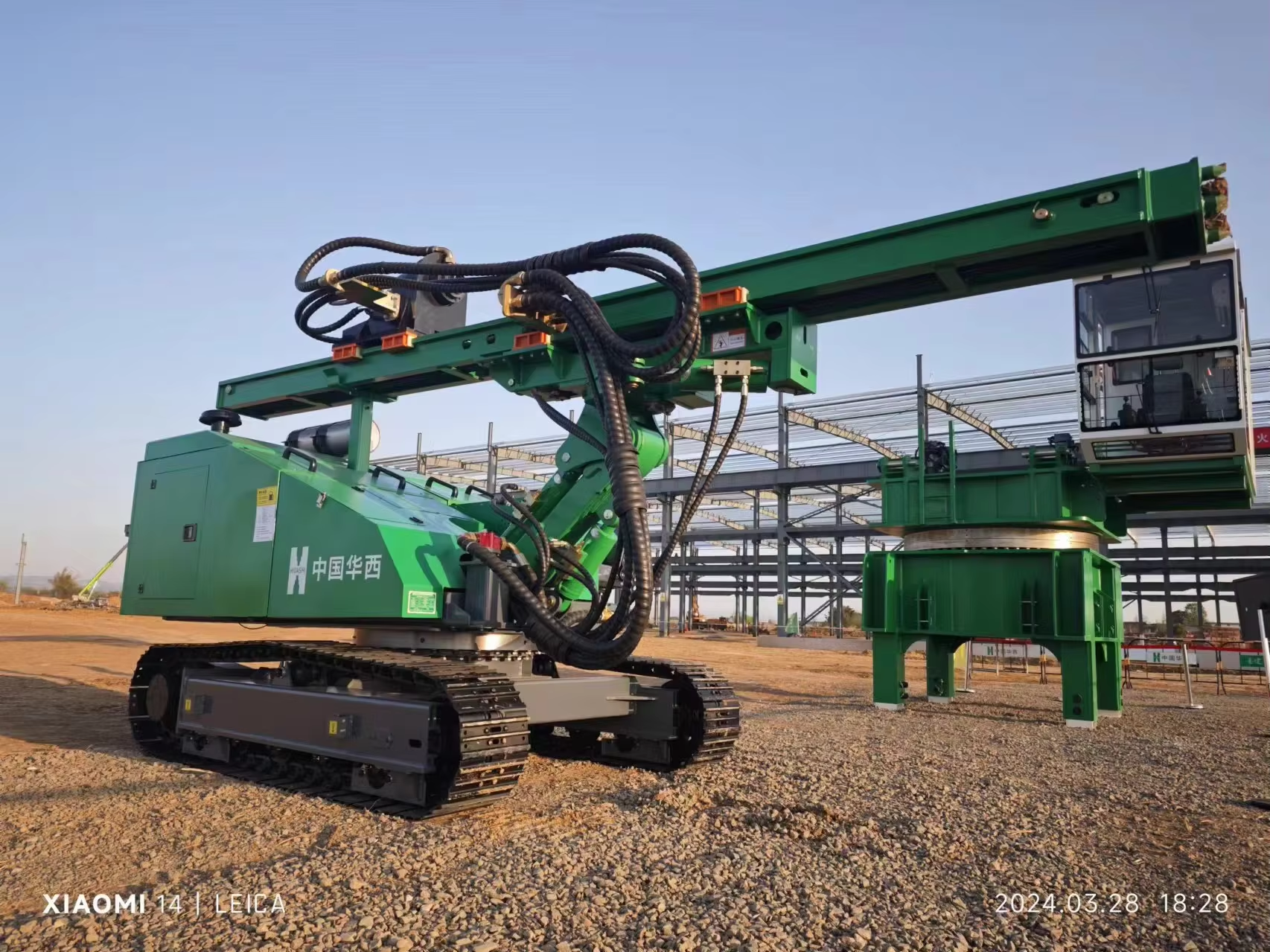
The cumulative nature of foundation degradation means that quality piling deficiencies accelerate over time rather than remaining static. Initial hairline cracks from inadequate concrete curing widen under repeated loading cycles, exposing more reinforcement to corrosive environments. Localized settlement from one underperforming pile redistributes loads to adjacent piles, overloading them and triggering progressive failure across the foundation system. Quality piling prevents these cascading failure mechanisms by ensuring each component exceeds minimum performance thresholds with sufficient margin to accommodate inevitable variations in materials, workmanship, and environmental conditions throughout decades of service.
How Quality Piling Practices Ensure Structural Integrity Under Variable Conditions
Site Investigation and Soil-Pile Interaction Optimization
Achieving quality piling begins long before equipment mobilizes to the construction site. Comprehensive geotechnical investigation provides the foundation data necessary to design piles that optimize load transfer mechanisms for specific soil profiles. Quality piling practices require sufficient boring depth to characterize all significant soil layers, identify potential problems like expansive clays or liquefiable sands, and determine groundwater conditions that affect installation methods and material durability. This investigation data enables engineers to specify pile types, dimensions, and installation techniques that match site-specific conditions rather than applying generic solutions that may prove inadequate for long-term stability requirements.
The interaction between piles and surrounding soil evolves throughout the structure's service life as consolidation progresses, groundwater levels fluctuate, and adjacent construction alters stress distributions. Quality piling accounts for these dynamic conditions through conservative design assumptions, appropriate safety factors, and installation methods that enhance rather than disturb the soil-pile interface. Properly executed quality piling improves surrounding soil properties through compaction effects in granular materials or reduced disturbance in sensitive clays, creating a foundation system whose performance improves with time rather than degrading. This proactive approach to soil-pile interaction distinguishes quality piling from minimum-standard practices that ignore long-term behavioral changes.
Installation Method Selection and Execution Control
The method used to install piles profoundly influences both immediate capacity and long-term performance. Quality piling requires matching installation techniques to soil conditions, structural requirements, and site constraints. Driven piles provide excellent capacity in many soil profiles but generate vibrations that may damage adjacent structures or liquefy loose sands. Drilled shafts allow installation in challenging subsurface conditions but require rigorous quality control to prevent soil cave-ins or concrete contamination. Each installation method presents specific quality control challenges that must be addressed through appropriate equipment selection, operator training, and real-time monitoring to ensure every pile meets design specifications.
Installation quality control encompasses numerous parameters that collectively determine pile performance. For driven piles, monitoring blow counts, final set criteria, and driving stresses ensures piles reach design depth without damage. For drilled piles, maintaining slurry properties, inspecting shaft cleanliness, preventing concrete segregation, and ensuring complete cage placement are essential quality measures. Quality piling programs implement comprehensive inspection protocols at every installation stage, document deviations from specifications, and require corrective actions before proceeding. This systematic approach to installation control prevents the defects and shortcuts that compromise long-term structural stability.
Load Testing and Performance Verification Programs
Quality piling extends beyond installation to include rigorous verification that completed piles meet design capacity and performance requirements. Static load testing provides the most reliable capacity verification by measuring actual pile response under controlled loading conditions. Dynamic testing offers efficient capacity estimation across larger pile populations while integrity testing identifies construction defects like necking, soil inclusions, or discontinuities that reduce capacity. Comprehensive quality piling programs incorporate multiple testing methods to verify capacity, assess consistency across the pile group, and identify anomalies requiring investigation or remediation before superstructure construction proceeds.
The long-term stability benefits of thorough load testing justify the additional time and cost investment during construction. Testing identifies capacity deficiencies when remediation remains practical and economical rather than discovering problems after the structure experiences distress. Performance data from load testing enables engineers to refine pile design for future phases, optimize pile layouts, and validate design assumptions with empirical evidence. Quality piling treats load testing as an essential verification step rather than an optional expense, recognizing that foundation performance directly determines whether structures achieve their intended service life without costly repairs or premature replacement.
Economic and Safety Implications of Prioritizing Quality Piling
Life-Cycle Cost Analysis Favoring Quality Over Initial Savings
The economics of quality piling become compelling when evaluating total ownership costs rather than focusing narrowly on initial construction expenses. Foundation work typically represents ten to twenty percent of total project costs, yet foundation deficiencies account for a disproportionate share of structural failures, repair costs, and litigation expenses. Investing an additional five to ten percent in quality piling—through better materials, more rigorous testing, experienced contractors, and comprehensive quality control—often prevents repair costs exceeding ten times the initial foundation investment. This economic reality makes quality piling one of the most cost-effective risk mitigation strategies available to owners and developers.
Beyond direct repair costs, foundation problems impose substantial indirect costs including business interruption, tenant displacement, loss of property value, increased insurance premiums, and reputational damage. A structure experiencing foundation distress may require temporary evacuation during assessment and remediation, disrupting operations and generating lost revenue that far exceeds foundation repair costs. Quality piling prevents these cascading economic consequences by ensuring foundations perform reliably throughout the structure's design life. The modest premium for quality piling during construction provides insurance against exponentially larger costs arising from foundation failure, making it arguably the highest return investment in any construction project.
Liability Reduction Through Demonstrated Quality Standards
Professional liability concerns provide additional motivation for prioritizing quality piling throughout design and construction phases. Engineers, contractors, and developers face increasing liability exposure when structures experience foundation-related distress that harms occupants or neighboring properties. Courts and insurance companies scrutinize whether industry-standard quality practices were followed, documented, and verified. Comprehensive quality piling programs with thorough documentation demonstrate due diligence that may limit liability exposure or provide defense against claims. Conversely, shortcuts, inadequate testing, or deviation from specifications create liability vulnerabilities that persist throughout statutory limitation periods extending decades beyond project completion.
The documentation generated through quality piling programs serves multiple risk management functions. Installation records, testing reports, material certifications, and inspection logs provide evidence that foundations were constructed according to specifications and design intent. This documentation proves invaluable when addressing future claims, obtaining insurance coverage, or defending against allegations of negligence. Quality piling treats documentation as seriously as physical construction, recognizing that comprehensive records protect all project participants from unwarranted liability while providing data for future maintenance and assessment activities.
Public Safety Obligations and Regulatory Compliance
Beyond economic considerations, quality piling fulfills fundamental public safety obligations that building codes and professional ethics demand. Structures serve as public infrastructure, workplaces, and residences where people expect reasonable safety from structural failure. Foundation deficiencies that lead to building distress or collapse represent catastrophic failures that harm occupants and undermine public confidence in the construction industry. Quality piling practices ensure foundations meet not just minimum code requirements but provide robust performance margins that accommodate unforeseen conditions and protect public safety even when design assumptions prove conservative.
Regulatory frameworks increasingly emphasize performance-based design approaches that hold design professionals accountable for long-term structural adequacy rather than mere code compliance at construction completion. Quality piling aligns with this regulatory evolution by emphasizing actual performance verification through testing and monitoring rather than relying solely on calculations and assumptions. As building codes incorporate more stringent foundation requirements reflecting lessons from past failures, quality piling positions structures to meet evolving standards and avoid costly retrofits or upgrades mandated by regulatory changes.
Technical Advances Supporting Quality Piling Implementation
Monitoring Technologies for Real-Time Quality Assurance
Technological advances have dramatically enhanced the ability to verify and document quality piling during installation. Instrumented pile driving analyzers provide real-time stress and capacity feedback during driven pile installation, allowing immediate assessment of pile integrity and bearing capacity. Concrete temperature and slump monitoring systems ensure drilled shafts receive concrete meeting specifications throughout placement. Shaft inspection cameras and crosshole sonic logging detect construction defects invisible to surface observation. These technologies transform quality piling from subjective judgment to objective measurement, enabling verification that every pile meets performance requirements before proceeding to the next construction phase.
The data generated by modern monitoring systems provides lasting value beyond immediate quality control. Historical installation records enable statistical analysis of contractor performance, identification of problematic soil conditions, and refinement of design parameters for future projects. Long-term monitoring through embedded instrumentation tracks foundation performance throughout the structure's service life, providing early warning of developing problems and validating design assumptions with empirical data. Quality piling programs increasingly incorporate these monitoring technologies, recognizing that comprehensive data collection supports both immediate quality assurance and long-term asset management.
Material Innovations Enhancing Long-Term Durability
Material science advances offer new options for achieving quality piling in challenging environments. High-performance concrete formulations with supplementary cementitious materials provide superior resistance to sulfate attack, chloride penetration, and carbonation compared to conventional concrete. Corrosion-resistant reinforcement including stainless steel, epoxy-coated bars, and fiber-reinforced polymer elements extend service life in aggressive soil conditions. Specialized grouts and admixtures improve durability, reduce permeability, and enhance bond characteristics between piles and surrounding soil. Quality piling specifies these advanced materials where site conditions warrant, recognizing that modest material cost premiums deliver substantial long-term performance improvements.
The selection of appropriate materials for quality piling requires balancing performance requirements, environmental conditions, and economic constraints. Not every project requires the most advanced materials available, but every project deserves materials suited to anticipated service conditions and durability requirements. Quality piling evaluates material options systematically, considering factors including groundwater chemistry, soil aggressiveness, loading characteristics, and design life expectations. This analytical approach to material selection ensures foundations incorporate cost-effective materials providing necessary performance without over-specifying expensive options where standard materials prove adequate.
Design Software and Analysis Methods Optimizing Pile Performance
Computational advances enable more sophisticated analysis of pile behavior under complex loading conditions, supporting quality piling through optimized designs that balance safety and economy. Finite element modeling simulates soil-pile interaction under static and dynamic loading, predicting settlement patterns and identifying potential failure mechanisms. Load and resistance factor design methodologies incorporate statistical reliability principles that explicitly account for variability in materials, workmanship, and soil properties. These analytical tools enable engineers to design foundations with quantified reliability levels rather than relying on empirical rules and generic safety factors.
Advanced analysis capabilities support quality piling by identifying which design parameters most significantly influence performance, allowing focused attention on critical quality control measures. Sensitivity analyses reveal whether pile capacity depends primarily on shaft resistance or end bearing, guiding inspection priorities during installation. Probabilistic analyses quantify how variations in pile capacity affect overall foundation reliability, informing decisions about load testing extent and acceptance criteria. Quality piling leverages these analytical capabilities to design foundations that achieve target performance with demonstrable reliability, transforming foundation engineering from art to science.
Implementing Comprehensive Quality Piling Programs
Contractor Qualification and Selection Criteria
Achieving quality piling requires engaging contractors with demonstrated expertise, appropriate equipment, and commitment to quality standards. Contractor qualification criteria should emphasize relevant project experience, equipment condition and capability, personnel training and certification, quality management systems, and safety records rather than selecting solely on low bid price. Prequalification processes that evaluate these factors before bid submission ensure only qualified contractors compete for foundation work. Quality piling recognizes that contractor capability directly influences foundation performance and that selecting based on qualifications rather than price alone produces better long-term outcomes.
Contract documents for quality piling should clearly specify performance requirements, testing protocols, documentation standards, and acceptance criteria rather than merely listing minimum prescriptive requirements. Performance specifications encourage contractors to utilize their expertise and equipment capabilities to achieve specified outcomes while maintaining flexibility in means and methods. Quality-based contractor selection combined with performance specifications creates accountability for results rather than mere activity completion, aligning contractor incentives with project quality objectives.
Independent Quality Assurance and Third-Party Verification
Quality piling programs benefit from independent oversight that provides objective assessment separate from production pressures. Third-party testing laboratories, specialty inspection firms, and engineering consultants offer expertise and impartiality that complement contractor self-inspection programs. Independent verification of materials, installation procedures, and load testing provides additional assurance that quality standards are consistently met. This layered quality control approach—combining contractor quality management, owner representatives, and independent third parties—creates multiple safeguards against the deficiencies and shortcuts that compromise long-term stability.
The scope of independent quality assurance should be tailored to project risk profile, complexity, and criticality. High-risk projects including hospitals, schools, and critical infrastructure warrant more extensive independent oversight than routine commercial structures. Complex foundation conditions or innovative construction methods similarly justify additional independent review. Quality piling evaluates these risk factors systematically and allocates quality assurance resources accordingly, ensuring oversight intensity matches potential consequences of foundation deficiencies.
Documentation Standards and As-Built Verification
Comprehensive documentation forms the foundation of any quality piling program, providing evidence that specifications were met and creating permanent records for future reference. Installation logs documenting pile locations, depths, driving resistance, concrete quantities, and any anomalies encountered establish as-built conditions. Material certifications verify that supplied products met specifications. Testing reports document capacity verification and construction quality assessment. Daily inspection reports capture observations, weather conditions, and any deviations from standard procedures. This documentation serves immediate quality control purposes during construction while providing invaluable reference information for future maintenance, assessment, or remediation activities.
Modern documentation systems increasingly utilize digital platforms that capture data in real-time, incorporate photographic evidence, enable immediate access by all project participants, and create permanent archives resistant to loss or deterioration. These systems improve documentation completeness and accuracy compared to paper-based approaches while facilitating rapid information retrieval when questions arise. Quality piling embraces digital documentation technologies, recognizing that comprehensive accessible records enhance both immediate quality control effectiveness and long-term asset management capabilities.
FAQ
What distinguishes quality piling from standard foundation construction practices?
Quality piling emphasizes exceeding minimum code requirements through superior materials, rigorous testing, comprehensive quality control, and verification that every pile consistently meets design capacity. Standard practices may satisfy code minimums without the additional testing, documentation, and performance margins that quality piling provides. The distinction lies in systematic commitment to long-term performance rather than mere initial construction compliance. Quality piling treats foundations as critical infrastructure requiring investment proportional to their importance rather than viewing foundation work as a commodity construction activity where low bid price determines contractor selection.
How does poor piling quality manifest in structural problems years after construction?
Piling deficiencies typically manifest gradually through differential settlement causing floor slopes, cracked walls, jamming doors, and separated building elements. As settlement progresses, structural distress intensifies with cracked foundations, separated structural connections, and potentially dangerous structural instability. Water infiltration through settlement-induced cracks accelerates deterioration. Capacity-deficient piles may suddenly fail under increased loading or changed soil conditions, causing rapid settlement that threatens structural collapse. These problems often appear five to twenty years after construction when remediation proves far more difficult and expensive than proper initial construction would have cost.
What testing frequency ensures adequate quality verification for pile foundations?
Testing frequency depends on project size, complexity, and risk profile. Minimum recommendations include static load testing on at least one percent of production piles with higher percentages for critical structures. Dynamic testing and integrity testing can economically assess larger pile populations, potentially including every pile on high-risk projects. Geotechnical conditions influence testing frequency, with variable soil profiles warranting more extensive testing than uniform conditions. Quality piling programs develop project-specific testing plans balancing statistical confidence requirements, budget constraints, and consequence of foundation deficiencies rather than applying generic testing frequencies regardless of project characteristics.
Can existing structures benefit from quality piling principles through foundation assessment and upgrade?
Existing structures with suspected foundation deficiencies can undergo assessment following quality piling principles to evaluate current conditions and determine necessary remediation. Non-destructive testing including dynamic testing and integrity assessment characterizes existing pile performance. Load testing verifies actual capacity. Structural monitoring tracks settlement and distress progression. Based on assessment findings, upgrade options including additional piles, underpinning, ground improvement, or structural modifications can restore adequate safety margins. While remediation proves more expensive than initial quality construction, systematic assessment and targeted upgrades extend service life and restore structural stability when existing foundations prove deficient.
Table of Contents
- Why Quality Piling Determines Foundation Performance Over Decades
- How Quality Piling Practices Ensure Structural Integrity Under Variable Conditions
- Economic and Safety Implications of Prioritizing Quality Piling
- Technical Advances Supporting Quality Piling Implementation
- Implementing Comprehensive Quality Piling Programs
-
FAQ
- What distinguishes quality piling from standard foundation construction practices?
- How does poor piling quality manifest in structural problems years after construction?
- What testing frequency ensures adequate quality verification for pile foundations?
- Can existing structures benefit from quality piling principles through foundation assessment and upgrade?