 EN
EN

Bridge abutment construction represents one of the most challenging aspects of infrastructure development, particularly when dealing with variable soil conditions, restricted access, and stringent structural requirements. This case study examines a real-world application where a multifunctional pile driver proved instrumental in overcoming the complexities inherent in a major bridge abutment project. The project involved constructing dual abutments for a four-lane highway bridge spanning a river valley with challenging geological conditions including layered rock formations, saturated soils, and spatial constraints that eliminated conventional equipment options. The successful deployment of advanced pile driving technology not only met the project timeline but also demonstrated how adaptable equipment can address multiple construction challenges simultaneously.
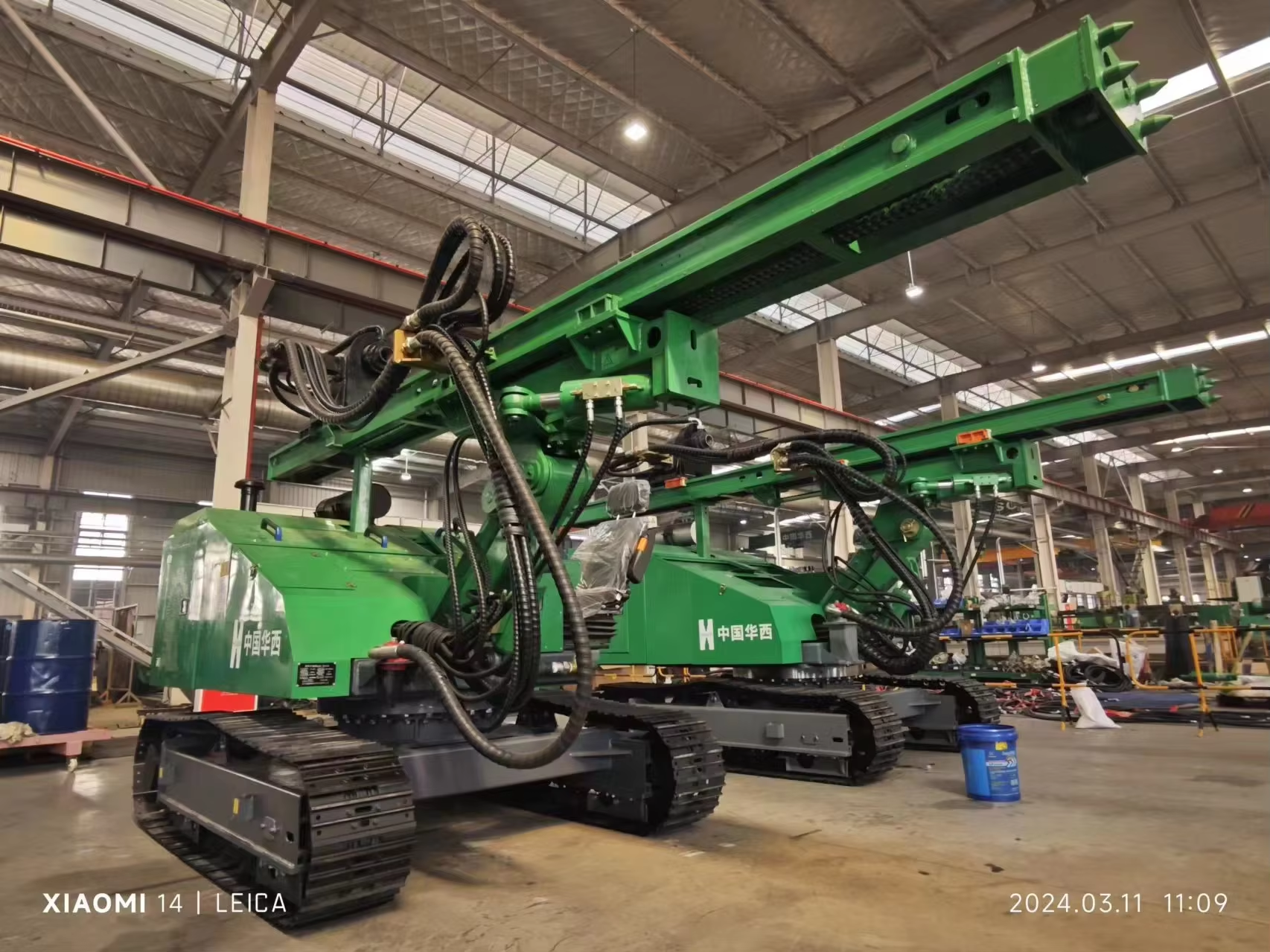
The contractor selected a crawler-mounted hydraulic multifunctional pile driver specifically designed for versatility across drilling methods, foundation types, and geological conditions. This equipment choice reflected careful analysis of site constraints, engineering specifications, and the need to minimize mobilization cycles. Throughout this case study, we explore the project parameters, technical challenges encountered, equipment capabilities leveraged, execution methodology, and quantifiable outcomes that validate the strategic importance of multifunctional equipment in complex civil engineering projects. The lessons learned provide valuable insights for engineers, contractors, and project managers facing similar foundation challenges in bridge construction and heavy infrastructure development.
Project Background and Site Challenges
Geographic and Geological Context
The bridge project was located in a mountainous region where the highway needed to cross a seasonal river valley approximately 180 meters wide. The abutments required placement on opposing slopes with elevation differences exceeding 15 meters between foundation levels. Geological surveys revealed a complex stratigraphy consisting of weathered granite overlaying fractured bedrock at depths varying between 8 and 14 meters below design grade. The upper soil layers included dense clay mixed with cobbles and boulders, presenting significant penetration resistance. Groundwater levels fluctuated seasonally, creating saturated conditions during critical construction phases that complicated drilling stability and required specialized techniques to maintain borehole integrity.
Engineering Requirements and Load Parameters
The bridge design called for deep foundation systems capable of transferring superstructure loads exceeding 2,500 tons per abutment into competent bedrock. Each abutment required 24 large-diameter piles with specifications demanding 1.2-meter diameter shafts extending to minimum depths of 18 meters, with socket penetration of at least 3 meters into intact rock. The structural engineer specified concrete strength requirements, reinforcement cage configurations, and quality control procedures that demanded precise dimensional tolerances throughout the drilling and casting process. These engineering parameters eliminated shallow foundation alternatives and necessitated equipment capable of delivering consistent performance across varying subsurface conditions while maintaining vertical alignment within strict tolerances of 1:200 deviation from design axis.
Access Limitations and Spatial Constraints
Site access presented substantial logistical challenges due to narrow temporary roads constructed on steep slopes with limited turning radius and bearing capacity restrictions. The working platforms for each abutment measured only 25 by 30 meters, requiring careful equipment positioning to accommodate the multifunctional pile driver, support vehicles, material storage, and safe operational clearances. Proximity to existing utilities, environmental protection zones along the riverbank, and overhead power transmission lines further constrained working envelopes. These spatial limitations demanded equipment with compact transportation dimensions yet sufficient operational reach and stability. Traditional large-diameter drilling rigs would have required extensive site preparation and potentially multiple mobilizations, significantly impacting project schedules and costs.
Equipment Selection and Capabilities
Multifunctional Pile Driver Specifications
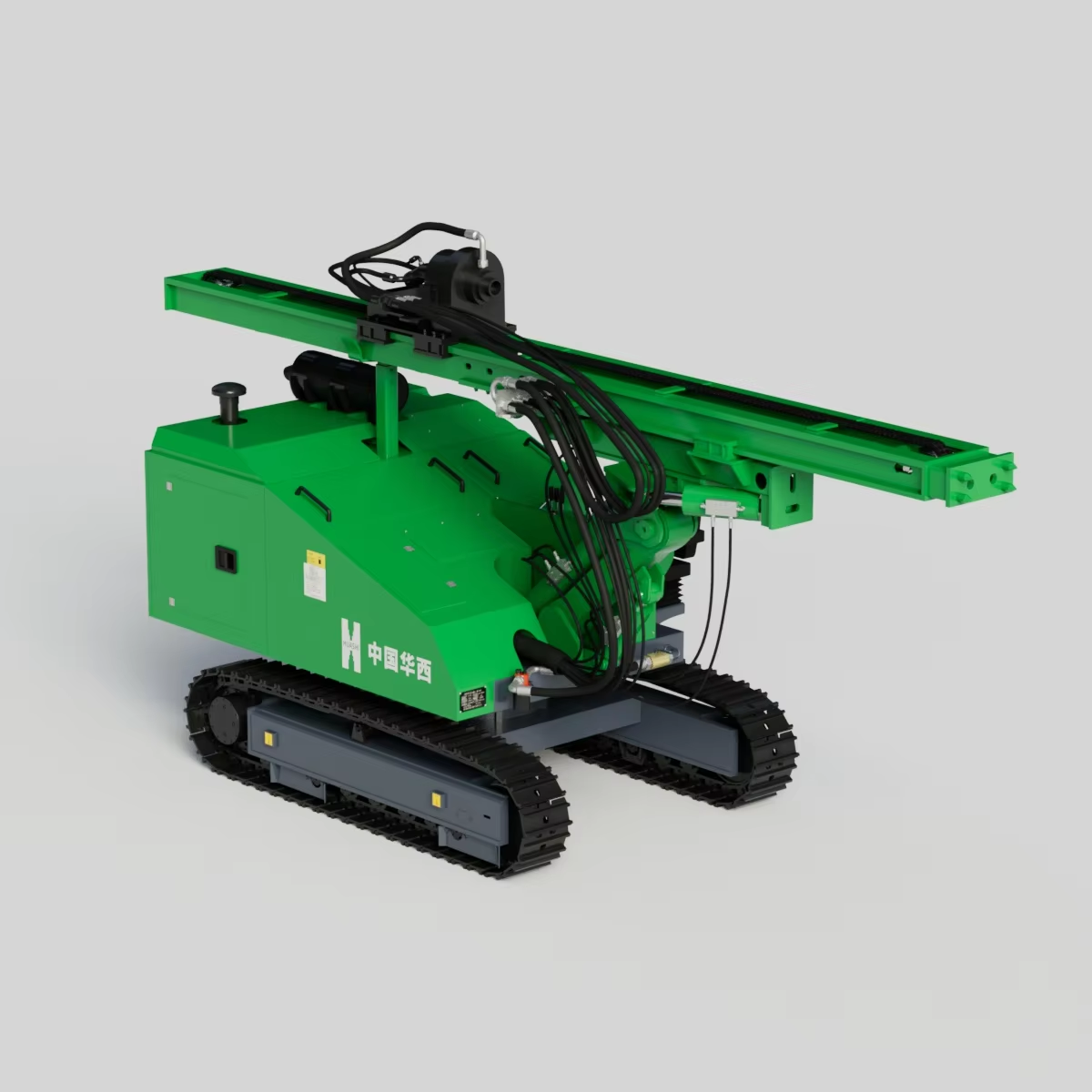
The contractor deployed a crawler-mounted multifunctional pile driver engineered specifically for versatility in foundation construction. This machine featured a fully hydraulic system capable of operating in multiple drilling modes including rotary drilling, down-the-hole hammer drilling, and casing oscillation. The unit delivered maximum drilling diameter capacity of 1.5 meters with depth capability exceeding 25 meters in competent formations. Powered by a 260-horsepower diesel engine, the hydraulic system generated sufficient torque and crowd force to penetrate dense overburden and fractured rock without auxiliary support equipment. The crawler undercarriage provided superior stability on uneven terrain while distributing ground pressure to levels acceptable for the temporary working platforms, eliminating the need for extensive foundation reinforcement beneath the equipment itself.
Adaptive Drilling Technology Integration
The multifunctional pile driver incorporated advanced control systems allowing seamless transition between drilling methodologies based on real-time geological conditions. In the upper soil zones containing cobbles and boulders, the equipment utilized rotary drilling with specially designed core barrels and cutting tools capable of fragmenting obstructions. Upon encountering fractured bedrock, operators switched to down-the-hole hammer mode, where pneumatic percussion combined with rotation to achieve efficient penetration rates through weathered rock. The dual rotary head design enabled simultaneous casing advancement using oscillation technology, which proved critical in maintaining borehole stability through saturated zones where conventional drilling would have experienced collapse issues. This technological integration reduced the need for multiple specialized machines and allowed the single multifunctional pile driver to address the complete range of subsurface conditions encountered across both abutment locations.
Mobility and Operational Efficiency Features
Transportation logistics benefited significantly from the multifunctional pile driver design, which allowed disassembly into modular components transportable on standard flatbed trucks. Once on site, reassembly required less than one working day with a small crew, minimizing mobilization downtime. The crawler propulsion system enabled independent movement between pile locations without reliance on cranes or auxiliary positioning equipment, accelerating setup cycles and improving productivity. Hydraulic leveling jacks and integrated instrumentation systems facilitated rapid alignment verification and adjustment, ensuring compliance with verticality specifications. The operator cabin featured climate control, vibration isolation, and comprehensive monitoring displays showing real-time drilling parameters including depth, penetration rate, torque, crowd pressure, and deviation measurements, enabling informed decision-making and quality control throughout each pile installation.
Execution Methodology and Technical Solutions
Phase One: Pilot Hole and Geological Verification
The construction sequence began with pilot hole drilling at each pile location using smaller diameter tooling to verify actual subsurface conditions against geotechnical predictions. These exploratory boreholes, drilled to design depth using the multifunctional pile driver in rotary mode, provided critical data on soil layer transitions, rock quality, groundwater behavior, and potential obstructions. Drilling spoils from pilot holes underwent field examination by the geotechnical engineer, who documented variations from boring log predictions and authorized procedural adjustments. In three locations, pilot holes revealed unexpected boulder lenses requiring modification of the drilling approach. This verification phase, completed efficiently due to the multifunctional pile driver mobility between test locations, prevented costly surprises during full-scale production drilling and validated equipment capability across the actual geological profile rather than relying solely on limited boring data.
Phase Two: Production Drilling with Adaptive Techniques
Full-diameter production drilling commenced following pilot hole verification, with the multifunctional pile driver demonstrating its adaptive capabilities across varying conditions. In the upper 6 to 9 meters, rotary drilling with carbide-tipped cutting teeth effectively penetrated the dense clay and cobble matrix at rates averaging 2.5 meters per hour. Temporary steel casing was advanced using the oscillation function to prevent sidewall collapse in saturated zones, with the hydraulic oscillator generating sufficient amplitude and frequency to overcome soil friction while maintaining vertical alignment. Upon reaching fractured granite, the equipment transitioned to down-the-hole hammer mode, where high-frequency percussion at 900 impacts per minute combined with rotation to achieve rock penetration rates of 1.8 meters per hour. The multifunctional pile driver maintained consistent performance across these methodology transitions without requiring demobilization or equipment changes, keeping the project on schedule despite geological variability.
Quality Control and Dimensional Verification
Throughout drilling operations, the multifunctional pile driver integrated instrumentation provided continuous quality control data. Inclinometer sensors measured deviation at regular depth intervals, with automatic alarms triggering when verticality approached specification limits. Operators made real-time corrections using the hydraulic crowd and rotation adjustments to maintain alignment within the required 1:200 tolerance. Depth measurements employed laser systems verified against marked kelly bars, ensuring accurate socket penetration into bedrock. Upon completing each borehole, the contractor deployed inspection cameras to document sidewall conditions, diameter consistency, and socket cleanliness before concrete placement. These verification procedures, facilitated by the multifunctional pile driver precision controls and monitoring systems, resulted in zero pile rejections during structural acceptance testing, demonstrating the equipment capability to meet stringent engineering requirements consistently across 48 individual pile installations at both abutment locations.
Performance Outcomes and Project Metrics
Productivity Analysis and Timeline Achievement
The multifunctional pile driver achieved remarkable productivity metrics throughout the bridge abutment project. Average cycle time from setup through drilling completion for each 18-meter pile measured 11.5 hours, including equipment positioning, drilling, casing extraction, and cleaning operations. This performance enabled completion of both abutment pile groups within 35 working days, compared to the 50-day schedule allowance. The single-equipment solution eliminated downtime associated with mobilizing different specialized machines for varying geological conditions, a factor that previous similar projects had identified as a significant schedule risk. Weather delays totaled only 4 days across the construction period, with the multifunctional pile driver weatherproof cabin and hydraulic systems allowing operations to continue during light rain conditions that would have halted less robust equipment. The accelerated foundation completion provided critical schedule float that proved valuable when subsequent superstructure activities encountered delays.
Cost Efficiency and Budget Performance
Financial analysis revealed substantial cost advantages from the multifunctional pile driver deployment compared to original budget projections based on conventional drilling approaches. Equipment mobilization costs decreased by 38% due to the single-machine solution requiring only one transportation and setup cycle rather than multiple specialized rigs. Operational efficiency translated to 22% reduction in labor hours, as the versatile equipment eliminated crew downtime during methodology transitions and reduced the total number of operators and support personnel required on site. Consumable costs including drill bits, cutting tools, and fuel consumption tracked 15% below estimates, attributed to the multifunctional pile driver hydraulic efficiency and optimized drilling parameters that reduced wear rates. The combined cost savings exceeded $185,000 against the foundation work budget, demonstrating how strategic equipment selection impacts overall project economics beyond simple rental rate comparisons.
Quality Metrics and Engineering Compliance
Structural acceptance testing validated the superior quality outcomes achieved using the multifunctional pile driver throughout the bridge abutment project. Concrete core samples extracted from completed piles showed uniform strength exceeding design specifications by an average of 12%, indicating excellent borehole conditions and consolidation during placement. Integrity testing using cross-hole sonic logging detected zero anomalies, confirming complete concrete continuity and absence of soil inclusions or voids. Verticality surveys measured final pile positions with maximum deviation of 1:247, well within the 1:200 specification and demonstrating the multifunctional pile driver alignment control effectiveness. Load testing on representative piles confirmed capacity factors exceeding design requirements by 18%, providing additional structural confidence. These quality metrics eliminated any need for remedial work and contributed to the project receiving commendation from the structural engineer of record and transportation authority inspection teams.
Strategic Insights and Lessons Learned
Equipment Versatility as Risk Mitigation
This case study clearly demonstrates how multifunctional pile driver capabilities function as effective risk mitigation in complex projects where geological uncertainty and site constraints create potential schedule and cost exposures. The ability to adapt drilling methodology in response to actual encountered conditions without equipment changes eliminates a common source of delay and dispute in foundation work. Project managers should evaluate equipment versatility as a specific selection criterion weighted appropriately alongside capacity and productivity metrics. The risk reduction value becomes particularly significant in bridge abutment projects where access limitations make equipment mobilization costly and where geological boring data may have limited coverage density. Future similar projects should conduct equipment selection analysis that quantifies versatility benefits through scenario modeling considering potential subsurface variations and their impact on schedule and cost when using specialized versus multifunctional equipment alternatives.
Technological Integration Benefits
The multifunctional pile driver success in this bridge abutment project highlights the operational advantages of integrated technological systems in modern construction equipment. Real-time monitoring instrumentation, automated control systems, and precision positioning capabilities transformed quality control from retrospective verification to proactive process management. Operators made informed decisions based on actual drilling parameters rather than subjective assessment, reducing quality variability and improving consistency across all pile installations. The data logging capabilities created permanent records supporting engineering documentation requirements and providing forensic information valuable for potential future claims defense. Contractors evaluating multifunctional pile driver options should prioritize models incorporating advanced control and monitoring systems, recognizing that the incremental investment in technology delivers measurable returns through quality improvement, documentation enhancement, and operational efficiency gains that become particularly evident in demanding applications like bridge foundations.
Planning Considerations for Future Applications
Several planning insights emerged from this case study that inform future deployment of multifunctional pile driver equipment on complex bridge abutment and heavy foundation projects. Comprehensive site investigation including access analysis, working space constraints, and utility interference should occur early to validate equipment selection and identify necessary temporary works. Geotechnical exploration programs should include sufficient boring density and depth to characterize anticipated drilling conditions, allowing accurate methodology planning and realistic productivity estimation. Contract specifications should recognize multifunctional pile driver capabilities and allow flexibility in drilling technique selection based on encountered conditions rather than prescriptively requiring specific methods that may prove suboptimal. Pre-construction collaboration between equipment suppliers, drilling contractors, and structural engineers can optimize operational parameters and establish quality control protocols that leverage equipment capabilities while ensuring specification compliance. These planning elements contribute significantly to achieving outcomes comparable to this successful case study application.
FAQ
What makes a multifunctional pile driver suitable for bridge abutment projects with challenging geology?
A multifunctional pile driver excels in bridge abutment applications because it combines multiple drilling technologies in a single machine, allowing adaptation to varying geological conditions without equipment changes. Bridge abutments typically encounter diverse subsurface profiles including soil, cobbles, weathered rock, and competent bedrock within the foundation depth. The ability to transition between rotary drilling, down-the-hole hammer methods, and casing oscillation means the equipment maintains productivity regardless of material encountered. This versatility eliminates costly delays associated with mobilizing different specialized rigs and reduces the risk of schedule impacts from unexpected geological conditions that commonly occur in bridge foundation work where boring coverage may be limited.
How does crawler-mounted configuration benefit multifunctional pile driver deployment on bridge sites?
Crawler-mounted multifunctional pile driver systems provide critical advantages on bridge construction sites where access and working space are typically constrained. The self-propelled capability allows independent movement between pile locations without reliance on cranes or auxiliary equipment, reducing cycle times and improving productivity. Crawler tracks distribute equipment weight over large ground contact areas, minimizing bearing pressure on temporary working platforms that often have limited capacity on bridge approach slopes. The mobility also facilitates efficient positioning adjustments for alignment corrections and enables rapid relocation if site conditions require equipment movement for safety or logistics reasons. These mobility benefits become particularly valuable in bridge abutment construction where multiple pile locations exist within confined working areas and where time efficiency directly impacts critical path schedule elements.
What quality control advantages do modern multifunctional pile driver systems provide?
Contemporary multifunctional pile driver equipment incorporates sophisticated quality control systems that transform foundation construction from a largely experiential process to a data-driven operation. Integrated inclinometer sensors provide real-time verticality monitoring with immediate alerts when deviation approaches specification limits, enabling prompt correction before out-of-tolerance conditions develop. Depth measurement systems using laser and encoder technology ensure accurate pile lengths and rock socket penetration. Drilling parameter monitoring including torque, crowd pressure, and penetration rate helps operators identify subsurface condition changes and optimize performance while creating permanent records documenting installation quality. These technological capabilities reduce quality variability, improve consistency across multiple pile installations, and generate comprehensive documentation supporting engineering acceptance and potential future forensic requirements that traditional drilling methods cannot match.
How should contractors evaluate multifunctional pile driver selection for specific bridge projects?
Contractors should conduct systematic evaluation of multifunctional pile driver options based on project-specific requirements rather than generic capability comparisons. Critical assessment factors include maximum drilling diameter and depth capacity relative to design specifications with appropriate safety margins, drilling methodology options matched to anticipated geological profile, torque and crowd force adequate for expected subsurface resistance, mobility characteristics suited to site access and working space constraints, and control system sophistication appropriate to quality requirements. Evaluation should also consider manufacturer support capabilities including technical assistance, spare parts availability, and operator training resources. Financial analysis must extend beyond rental rates to encompass mobilization costs, productivity impacts, quality outcomes, and risk mitigation value. Contractors should request performance documentation from similar previous applications and consider equipment demonstration or trial periods when project scale justifies this verification investment.
Table of Contents
- Project Background and Site Challenges
- Equipment Selection and Capabilities
- Execution Methodology and Technical Solutions
- Performance Outcomes and Project Metrics
- Strategic Insights and Lessons Learned
-
FAQ
- What makes a multifunctional pile driver suitable for bridge abutment projects with challenging geology?
- How does crawler-mounted configuration benefit multifunctional pile driver deployment on bridge sites?
- What quality control advantages do modern multifunctional pile driver systems provide?
- How should contractors evaluate multifunctional pile driver selection for specific bridge projects?