 EN
EN

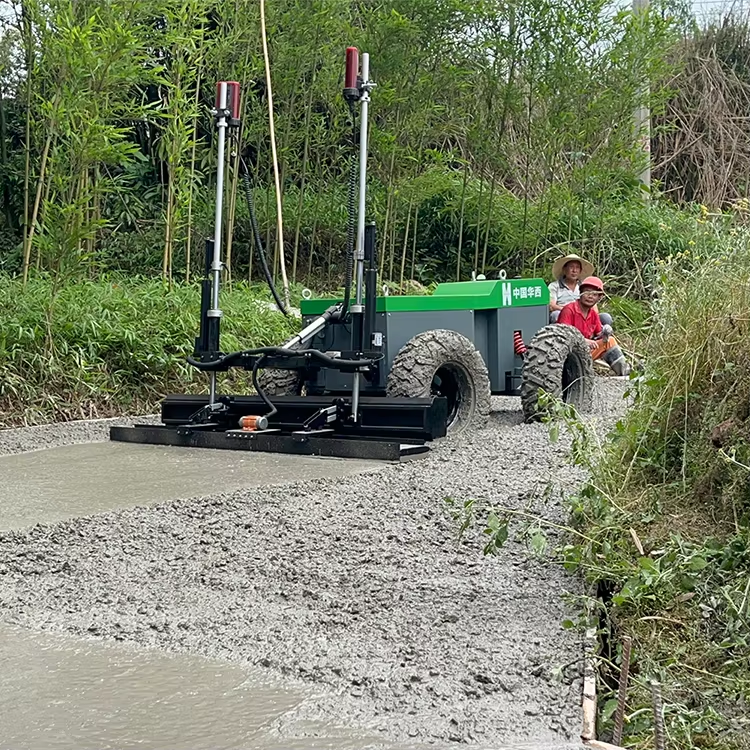
Precision and Consistency in Concrete Paving
How Robotic Guidance Systems Eliminate Human Variability
Concrete paving gets a major upgrade thanks to robotic guidance systems that take out all those pesky inconsistencies that come from relying on human skills alone. These machines follow programmed designs without any variation at all, which means slabs stay consistently thick, joints line up properly, and everything gets consolidated just right every time. What's really impressive is how these advanced sensors constantly watch the ground beneath them, checking for changes about 20 to 30 times each second. When they spot something off, they automatically tweak both the pressure pushing out the concrete mix and how fast the paver moves along, compensating for bumps and dips in the subgrade. This kind of instant reaction basically wipes out those annoying problems we see with regular paving jobs like uneven surfaces, air pockets forming in the mix (that honeycomb look), or areas where the concrete just doesn't set properly because operators get tired or their equipment starts drifting out of spec. Real world testing shows these robotic systems hit tolerances down to the millimeter level while old school methods can be off by as much as 15mm. That makes a huge difference when it comes to how well pavements hold up over years of traffic and weather exposure.
Laser- and GPS-Enabled Grade Control: Real-World Accuracy Metrics
Today's concrete paving robots combine two different positioning methods for both big picture and fine detail work. The GPS part gets things aligned pretty close to where they should be, usually within 3 millimeters on major construction sites. Meanwhile, the laser guides keep surfaces flat, staying within 1.5 mm across each 3 meter stretch of road. When these systems work together, contractors waste about 17% less material than when workers do it by hand, and roads end up matching their engineering plans almost all the time. There are also special sensors built into the machine that check how well the concrete is packed down every 1.2 meters along the way. These catch any weak spots or air pockets right away before they become problems. Real world tests have shown that this combination of smart tech cuts down on costly fixes later on by around 40%, which makes a huge difference in project budgets.
Efficiency Gains from Automated Concrete Paving
Reduction in Cycle Time: From 12 to 7.3 Minutes per Panel (Field Trial)
When it comes to concrete paving, automation really cuts down on time thanks to those robots working together in sync. Field tests showed something interesting lately: what used to take 12 minutes per panel now only takes about 7.3 minutes. That's almost a 40% improvement in speed without losing any accuracy whatsoever. Contractors can finish road sections much quicker these days because there's less waiting around, better planning for pouring sequences, and no need to manually set things up between each panel. The best part? All this extra speed doesn't mean sacrificing quality. The machines still place, level, and finish the concrete with millimeter precision. So basically, we're seeing proof that getting work done fast doesn't have to come at the expense of good quality anymore.
Labor Optimization: 30% Fewer Crew Members, Same Output
The introduction of robotic pavers changes how much labor is needed without compromising what gets produced or its quality level. Contractors report getting the same amount done each day but needing around 30 percent fewer people than when everything was done manually. Workers who were once stuck doing the same physical jobs all day long now spend their time overseeing operations and troubleshooting problems instead of doing things like hand screeding, controlling vibrations, or finishing edges themselves. These machines take care of four or maybe even five different tasks at once that used to require lots of hands on deck. That frees up resources so crews can work across several paving areas at the same time. Looking at actual field results, companies have found these streamlined approaches maintain high quality standards while cutting down on mistakes caused by worker fatigue by somewhere between a quarter and a third according to industry reports.
Improved Safety in Concrete Paving Operations
Eliminating High-Risk Manual Tasks Near Heavy Equipment and Hot Slurry
Paving robots made of concrete are changing how workers deal with dangerous areas because they can do jobs that used to need people standing right next to big machines and super hot concrete mix at around 140 degrees Fahrenheit. Safety reports from 2024 show these robots cut down on hands-on work near compacting gear by almost 85%. They come equipped with fancy stuff like LiDAR and sound sensors that create a safety bubble about 15 meters around the machine. If someone gets too close, the robot just stops automatically. This really helps prevent accidents where people might get crushed by rollers or burned badly from the hot slurry. Instead of working directly on the paving area, crews now sit in control rooms watching everything happen safely from afar. The whole setup turns what was once risky labor into something much safer under supervision. Plus, there's another benefit nobody talks about enough these days: rainy weather operations become way safer too. Manual work tends to lead to slips and falls, which goes up about 22% when conditions get wet compared to using robotic systems.
Predictive Quality Assurance with Smart Concrete Paving Robots
Embedded Sensors and Real-Time Data Logging for Early Defect Detection
Concrete paving robots equipped with embedded sensors track key parameters throughout the pouring process including slump consistency, vibration patterns, temperature changes, and how fast material is being laid down. The continuous monitoring catches problems right away, spotting issues like trapped air pockets, uneven mix distribution, or poor compaction before they turn into permanent flaws. These systems work alongside advanced software that learns from years worth of road surface data to spot trouble spots weeks ahead of time. Instead of waiting for cracks to appear and then fixing them, contractors can address potential issues much earlier. Studies show this forward thinking method cuts down on costly repairs by around 40%, while also making sure roads stay strong and durable for their entire lifespan.
FAQ
How do robotic guidance systems improve concrete paving?
Robotic guidance systems eliminate human variability by following programmed designs with precision. They use advanced sensors to detect inconsistencies and automatically adjust the paving process, resulting in consistent slab thickness and joint alignment.
What positioning methods do concrete paving robots use?
Concrete paving robots utilize GPS for general alignment, providing accuracy within 3 millimeters, while laser guides ensure flat surfaces with a precision of 1.5 mm across each 3-meter road section.
How do automated systems impact the labor needed for paving?
Automation reduces the labor requirement by approximately 30%, allowing crews to oversee operations rather than performing manual tasks, thus optimizing workforce utilization while maintaining output quality.
What safety benefits do concrete paving robots provide?
These robots eliminate high-risk manual tasks near heavy equipment and hot concrete. They feature LiDAR and sound sensors to create a safety perimeter, reducing accidents from manual interaction and allowing operations under safer conditions.