 EN
EN

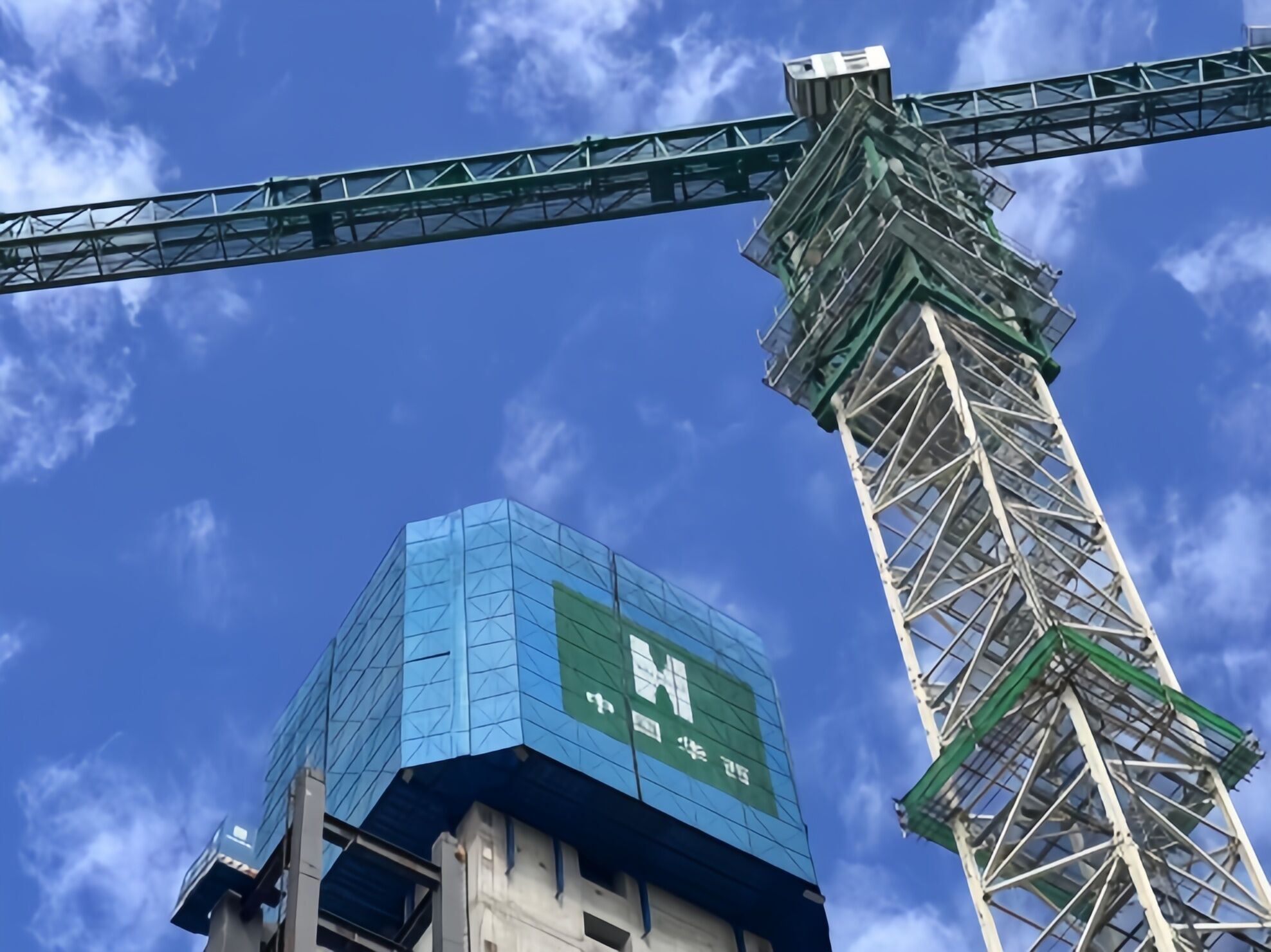
Come una singola macchina sostituisce più sistemi di fondazione
Dallo strumento specializzato a flussi di lavoro integrati: consolidamento dei test sui terreni, della posa dei pali e della verifica del carico
Moderne multifunzione le trivelle per pali integrano l’indagine geotecnica, la posa dei pali e la verifica della capacità portante in un unico flusso operativo, sostituendo ciò che un tempo richiedeva tre macchine distinte e altrettanti interventi di messa in opera. Eseguendo campionamenti del terreno in tempo reale, infissione o perforazione di pali e verifica della capacità portante durante installazione, queste attrezzature eliminano i passaggi intermedi, le lacune nei dati e i cicli di rifacimento. I responsabili di progetto segnalano costantemente un completamento delle fondazioni fino al 40% più rapido rispetto ai tradizionali metodi sequenziali. Sensori integrati forniscono dati continui ai sistemi diagnostici a bordo, consentendo aggiustamenti immediati della coppia, della pressione o della velocità di penetrazione, garantendo così che ogni palo soddisfi le specifiche geotecniche prima che l’attrezzatura passi al successivo. Questa integrazione end-to-end rafforza la responsabilità, riduce il rischio di progetto e fornisce registri digitali verificabili per applicazioni critiche ai fini della conformità.
Architettura idraulica modulare: la progettazione a livello di macchina che consente scambi rapidi degli accessori
Al centro di questa versatilità vi è un'architettura idraulica modulare progettata appositamente. Interfacce di accoppiamento standardizzate e un’unità di potenza universale consentono agli appaltatori di passare da trivelle, martelli a percussione, dispositivi vibranti, martinetti di spinta e celle di prova di carico in meno di 30 minuti — senza necessità di sostituire il motore né di riprogettare il circuito idraulico. Questa soluzione apporta benefici significativi nei cantieri urbani ristretti e nei siti brownfield, dove ridurre al minimo l’ingombro delle attrezzature è un requisito imprescindibile: i costi per la preparazione del cantiere si riducono fino al 60% e la manutenzione si concentra su un unico sistema di potenza robusto, anziché su più motori obsoleti. La semplificazione della gestione del magazzino, la maggiore durata utile e la riduzione degli oneri formativi per gli operatori amplificano ulteriormente i vantaggi operativi — senza compromettere le prestazioni tra i diversi tipi di attacco.
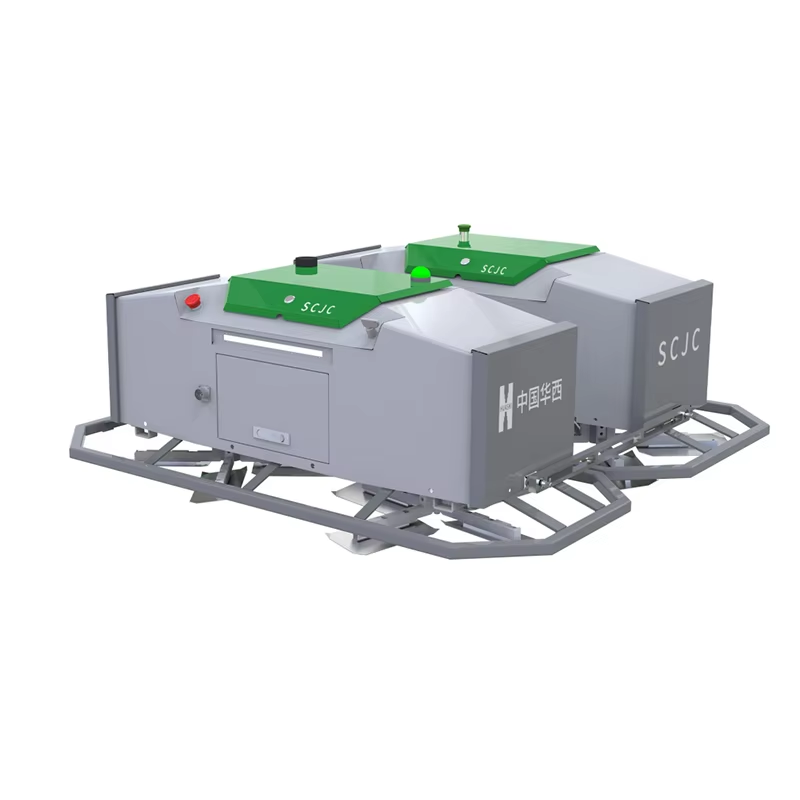
Metodi di installazione di pali azionati dalla macchina: percussione, vibrazione, rotazione e spinta
Logica di controllo adattiva che unifica diverse tecniche di battitura sotto un’unica interfaccia macchina
I sistemi intelligenti di controllo adattivo unificano i metodi di installazione delle fondazioni a battuta, vibranti, rotativi e a pressione — non come modalità separate, bensì come risposte consapevoli del contesto alle condizioni reali del terreno. Sfruttando i dati in tempo reale provenienti dai sensori posti in profondità e dalle metriche di risposta della fondazione, il sistema regola autonomamente frequenza, ampiezza, pressione idraulica e tempistica della corsa. L’operatore seleziona il metodo ottimale tramite comandi intuitivi dell’interfaccia; non è necessaria alcuna riconfigurazione meccanica. Ad esempio, passare dall’installazione vibrante ad alta frequenza in terreni incoerenti all’installazione a pressione a bassa vibrazione in prossimità di strutture storiche richiede meno di 15 minuti. La logica di controllo ottimizza continuamente il trasferimento di energia, prevenendo al contempo sovraccarichi sulla fondazione o sulle strutture circostanti — riducendo i tempi di fermo macchina fino al 70% rispetto ai tradizionali impianti multi-rig.
Algoritmi in tempo reale coppia-capacità: verifica in tempo reale della qualità dell’installazione delle fondazioni rotative
Durante la perforazione rotativa, sensori di coppia integrati rilevano la resistenza alla perforazione a intervalli di 200 millisecondi. Algoritmi proprietari traducono istantaneamente questi dati — insieme alle misurazioni in tempo reale della geometria del palo, della profondità e della stratigrafia del terreno — in stime validate della capacità portante. Le deviazioni superiori al ±10% rispetto ai valori previsti attivano immediatamente avvisi e suggeriscono aggiustamenti dei parametri, consentendo agli operatori di correggere la traiettoria prima di al termine dell’installazione. Ciò elimina la necessità di prove di integrità post-installazione, riducendo i tempi di verifica da giorni a secondi. I registri digitali — automaticamente contrassegnati con data/ora e geotag — vengono generati per ogni palo, garantendo la prontezza per audit in contesti sismici e normativi. I dati di campo dimostrano che questa funzionalità previene fondazioni con prestazioni inferiori durante l’installazione, evitando costi di ripristino che ammontano in media a 740.000 USD per singolo incidente (Ponemon Institute, Rischio Fondazioni e Costi di Ripristino , 2023).
Adattabilità della macchina in ambienti vincolati: aree urbane, siti con limitata altezza libera e siti sensibili alle vibrazioni
Mastelli telescopici e accessori compatti: progettazione della macchina per l’accesso a siti brownfield
La riqualificazione di aree brownfield richiede attrezzature per fondazioni progettate specificamente per vincoli spaziali e ambientali, non soluzioni adattate in modo retroattivo. Le torri telescopiche erogano coppia massima e verticalità completa anche in altezze libere pari a soli 3 metri, riducendosi verticalmente senza compromettere stabilità o controllo. Combinata con accessori idraulici compatti e progettati appositamente — tra cui trivelle a basso ingombro e martinetti idraulici per pressoincastro con smorzamento delle vibrazioni — questa piattaforma opera in modo efficiente là dove le apparecchiature tradizionali non riescono a essere impiegate. Studi sull’efficienza di cantiere confermano una riduzione del 35% dell’impronta occupata in sito e tempi di allestimento accelerati del 50% nelle zone congestionate. Il sistema integrato di mitigazione delle vibrazioni comprende cuscinetti di isolamento ad alta frequenza (velocità di particella < 0,5 pollici/sec), contro-bilanciamenti regolabili per sottofondi sensibili e cingoli omnidirezionali a raggio zero, che proteggono le infrastrutture adiacenti. Reti di sensori in tempo reale monitorano costantemente i livelli di vibrazione trasmessa al terreno, attivando automaticamente la modulazione della pressione per prevenire fenomeni di risonanza, rendendo così questa piattaforma particolarmente adatta alla riqualificazione di complessi siti urbani.
Eccellenza nello scavo di pali con trivella a elica continua grazie a una singola piattaforma multifunzionale
CFA, pareti secanti e scavi a foro aperto — tutti eseguiti mediante attrezzature intercambiabili su un unico telaio di macchina
Un singolo trivellatore multifunzionale esegue ora lo scavo di pali con trivella a elica continua (CFA), pareti secanti e pali forati a foro aperto — utilizzando accessori specificamente progettati e rapidamente sostituibili. Gli augeri idraulici, le pinze per pareti diaframma e gli oscillatori per tubazioni di rivestimento si montano senza soluzione di continuità tramite interfacce standardizzate, mentre i controlli intelligenti calibrano automaticamente coppia, pressione sulla tubazione di rivestimento e verticalità per ciascuna tecnica. Il monitoraggio in tempo reale verifica l’integrità del palo durante la sua installazione i test sul campo del 2023 condotti su progetti urbani con geologie eterogenee hanno evidenziato una riduzione del 40% degli errori di installazione rispetto ai tradizionali apparecchi dedicati. Il risultato è un controllo qualità unificato su tutti i tipi di fondazione, tempi di ciclo più rapidi del 30% su cantieri eterogenei e un’impronta di mobilitazione sufficientemente contenuta da consentire l’impiego in aree urbane ristrette. Grazie all’integrazione della conformità in ogni operazione—verificata tramite reporting digitale automatizzato—questa piattaforma garantisce sia rigore tecnico sia efficienza economica, riducendo i costi operativi per progetto di 120.000 USD (Global Foundation Report, 2024).
Domande frequenti
Quali sono i vantaggi dell’utilizzo di un’unica pilaia multifunzionale?
Una pilaia multifunzionale integra indagini geotecniche, installazione delle palificazioni e verifica dei carichi in un unico flusso di lavoro, riducendo i tempi di progetto, migliorando la tracciabilità e eliminando il rischio di ripetizioni. Queste pilaie possono consentire una conclusione dei progetti fino al 40% più rapida.
In che modo l’architettura idraulica modulare contribuisce alla versatilità?
L'architettura idraulica modulare consente la rapida sostituzione degli attacchi senza modifiche al motore o alla riconfigurazione dell'impianto idraulico, riducendo i costi di preparazione del cantiere e concentrando gli interventi di manutenzione su un unico sistema di alimentazione robusto.
Perché la logica di controllo adattiva è importante per le installazioni di pali?
La logica di controllo adattiva ottimizza il trasferimento di energia e gli aggiustamenti del metodo in base alle condizioni del terreno in tempo reale, prevenendo sovraccarichi sui pali e riducendo i tempi di fermo fino al 70%.
In che modo l'integrazione di algoritmi in tempo reale migliora la perforazione rotativa?
Gli algoritmi in tempo reale verificano la capacità portante durante l'installazione, riducendo i costi di risanamento ed eliminando la necessità di prove post-installazione.
Quali caratteristiche rendono questa macchina adatta a ambienti con spazi limitati?
Le torri telescopiche, gli attacchi compatti e il monitoraggio in tempo reale delle vibrazioni rendono questa macchina ideale per cantieri urbani, con limitazioni di altezza libera e sensibili alle vibrazioni.
Sommario
- Come una singola macchina sostituisce più sistemi di fondazione
- Metodi di installazione di pali azionati dalla macchina: percussione, vibrazione, rotazione e spinta
- Adattabilità della macchina in ambienti vincolati: aree urbane, siti con limitata altezza libera e siti sensibili alle vibrazioni
- Eccellenza nello scavo di pali con trivella a elica continua grazie a una singola piattaforma multifunzionale
-
Domande frequenti
- Quali sono i vantaggi dell’utilizzo di un’unica pilaia multifunzionale?
- In che modo l’architettura idraulica modulare contribuisce alla versatilità?
- Perché la logica di controllo adattiva è importante per le installazioni di pali?
- In che modo l'integrazione di algoritmi in tempo reale migliora la perforazione rotativa?
- Quali caratteristiche rendono questa macchina adatta a ambienti con spazi limitati?