 EN
EN

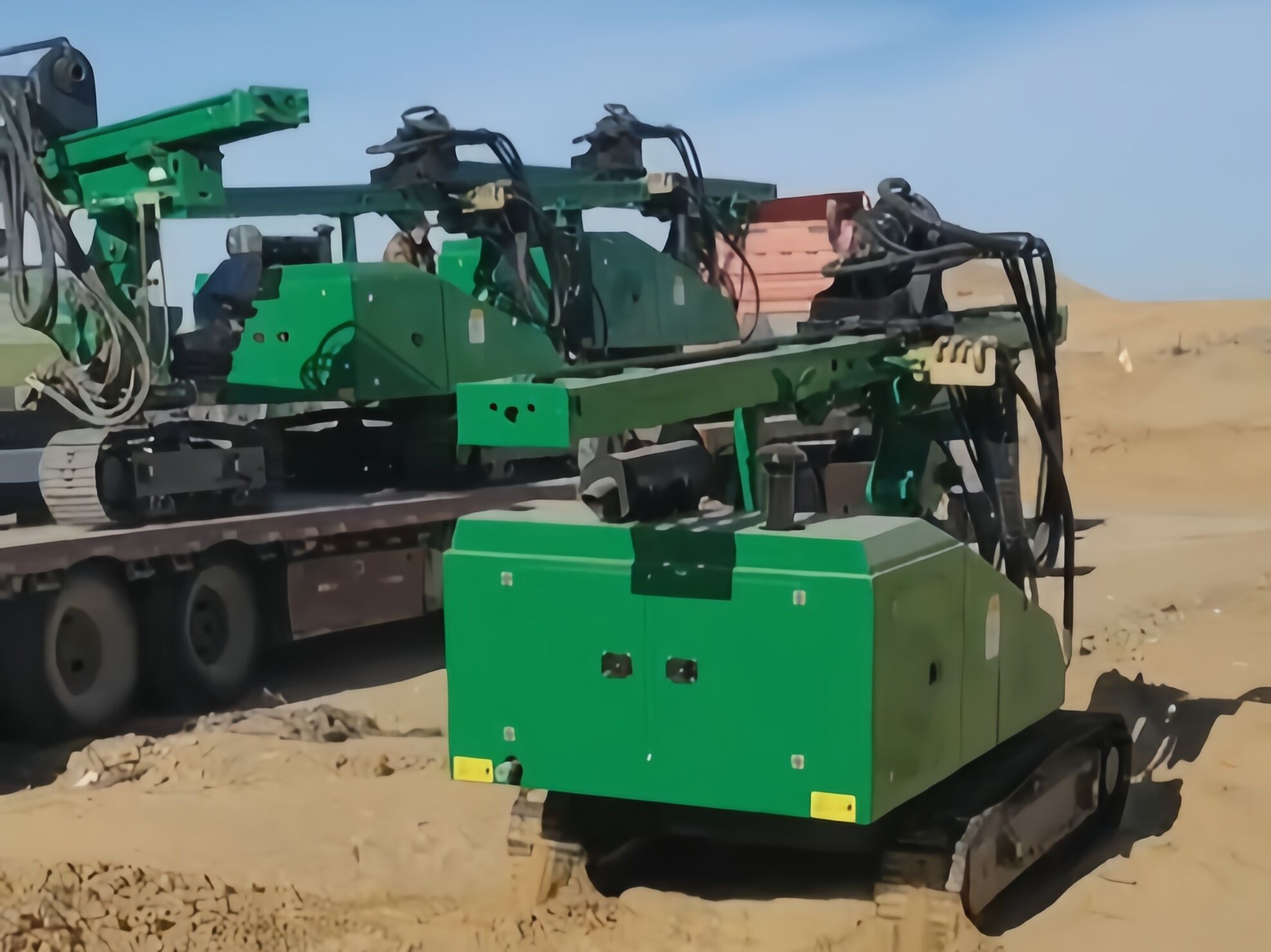
Labor Cost Reduction Through Automated Concrete Paving
Automated concrete paving slashes labor expenses through operational precision and reduced workforce demands. Contractors deploy robotic systems to handle repetitive, physically intensive tasks—directly addressing chronic industry challenges like labor shortages and budget overruns.
65% reduction in leveling labor hours and 60% fewer on-site personnel
Real-time automation eliminates manual grading and screeding, reducing leveling labor by 65%. Continuous machine operation cuts personnel requirements by 60%, as one operator oversees tasks previously needing 5–8 workers. Integrated sensors adjust concrete placement without human intervention, maintaining consistent output during 10+ hour shifts.
Elimination of skilled labor bottlenecks and overtime dependency
Robotic paving resolves seasonal labor gaps by replacing specialized tradespeople with programmable systems. Projects no longer stall due to unavailable concrete finishers or formwork crews, eliminating overtime expenditures that historically consumed 15–25% of budgets. Intuitive controls reduce onboarding time from months to days, freeing managers to reallocate staff to value-adding activities like quality inspection.
Precision Placement and Rework Elimination in Concrete Paving
90% decrease in surface remediation costs via real-time grade correction
Robotic pavers integrate millimeter-accurate GPS and laser guidance systems that continuously adjust grade and slope during concrete placement. This real-time correction reduces surface irregularities by over 85%, slashing remediation labor and material expenses. Industry studies show projects achieve 90% lower surface correction costs compared to manual methods, as autonomous systems process 20–30 terrain data points per second to maintain design specifications.
$740k annual rework costs eliminated per project through autonomous concrete paving robots
Automation eliminates human error—the primary cause of structural rework—by ensuring precise dimensional accuracy and consistent compaction density. This prevents costly defects like misalignment or weak consolidation, avoiding approximately $740k in annual rework expenses per mid-sized project (Ponemon Institute, 2023). The elimination of tear-out and repaving operations further reduces delays and material waste.
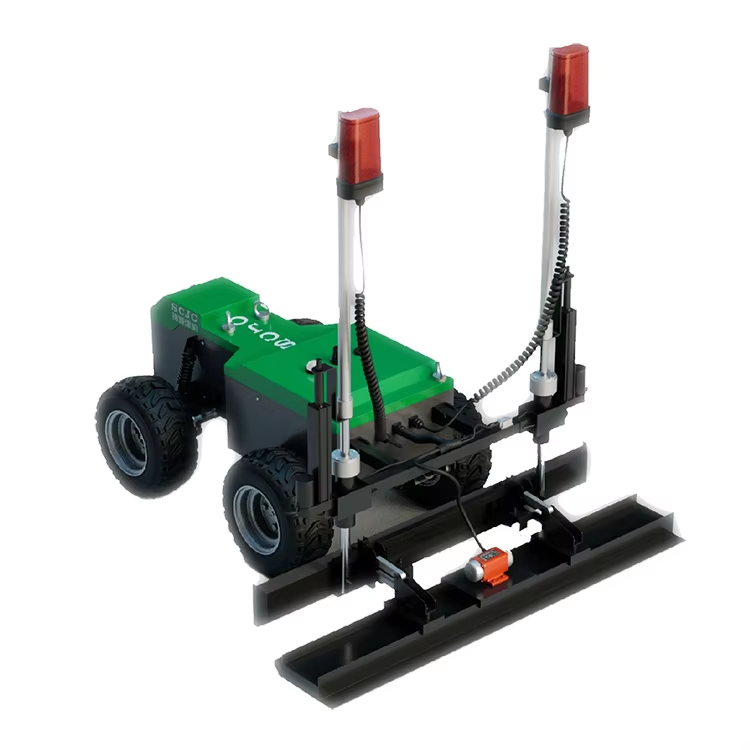
Accelerated Project Timelines with Robotic Concrete Paving
30% faster slab completion enabled by continuous operation and reduced setup downtime
Robotic concrete paving systems compress project schedules through two core efficiencies. Unlike manual crews requiring shift rotations, these autonomous platforms operate 24/7 without fatigue-related slowdowns—pouring and finishing slabs in continuous cycles that eliminate productivity gaps. GPS-guided controls reduce equipment calibration and formwork alignment from hours to minutes before each pour, cutting setup downtime by over 50% while maintaining consistent output quality.
Sensors also automatically adjust material viscosity and placement speed during temperature fluctuations, minimizing weather-related disruptions. Contractors report completing highway sections months ahead of schedule, with robotic systems achieving daily output volumes impossible through manual methods—enabling earlier handovers and lowering overhead costs.
ROI and Total Cost of Ownership for Concrete Paving Robots
Achieving ROI in 12–18 months through combined labor savings, rework elimination, and material efficiency
Concrete paving robots deliver return on investment within 12–18 months by consolidating three major cost-saving dimensions. First, labor expenses drop by 65% through automated leveling and reduced crew requirements. Second, eliminating rework—which traditionally consumed $740k annually per project—adds substantial savings. Third, precision material management prevents over-pouring, directly lowering raw material expenditures. This financial trifecta offsets initial equipment costs while accelerating payback periods. Continuous operation capabilities further compress timelines, allowing contractors to undertake more projects annually. The cumulative impact transforms robotic systems from capital expenses into profit-generating assets within two construction seasons.
30% less material waste via precision extrusion control in concrete paving
Robotic extrusion technology reduces material waste by 30% through millimeter-accurate concrete placement. Traditional manual methods often over-pour by 5–7% to compensate for human error, but automated systems calibrate flow rates in real time using laser-guided sensors. This eliminates spillage and minimizes trimming requirements post-placement. Every 10,000 sq. ft. slab saves approximately 8 cubic yards of concrete—delivering parallel environmental and financial benefits. Consistent slab thickness also enhances structural integrity, reducing long-term maintenance costs. When combined with labor and rework savings, material efficiency contributes significantly to the sub-18-month ROI horizon.
FAQ
What labor savings can be achieved with automated concrete paving?
Automated concrete paving can reduce leveling labor hours by 65% and cut on-site personnel requirements by 60%, thanks to real-time automation and reduced crew dependencies.
How does robotic paving address skilled labor shortages?
Robotic paving replaces specialized tradespeople with programmable systems, eliminating bottlenecks and reducing dependency on skilled labor forces.
What is the impact of automated paving on surface remediation costs?
Automation decreases surface remediation costs by 90%, primarily due to real-time grade correction technologies that ensure precise concrete placement.
How quickly can contractors achieve ROI on concrete paving robots?
Contractors can achieve a return on investment within 12–18 months by leveraging labor savings, eliminating rework costs, and improving material efficiency.
How does robotic paving accelerate project timelines?
Robotic paving compresses project schedules by eliminating fatigue-related downtimes, reducing setup times by over 50%, and operating 24/7 for continuous slab pouring and finishing.
Table of Contents
- Labor Cost Reduction Through Automated Concrete Paving
- Precision Placement and Rework Elimination in Concrete Paving
- Accelerated Project Timelines with Robotic Concrete Paving
- ROI and Total Cost of Ownership for Concrete Paving Robots
-
FAQ
- What labor savings can be achieved with automated concrete paving?
- How does robotic paving address skilled labor shortages?
- What is the impact of automated paving on surface remediation costs?
- How quickly can contractors achieve ROI on concrete paving robots?
- How does robotic paving accelerate project timelines?